
1. Introduction: Brand Overview and Relevance of Modularity
Flavia La Rocca, a Roman designer who founded her own brand in 2013, is one of the most significant figures in contemporary sustainable fashion. From the outset, she has stood out for her innovative approach and her ‘one garment, many lives’ philosophy, based on the creation of modular garments that can be transformed and adapted using hidden zip systems. In 2019, she received the Green Carpet Fashion Award for Best Emerging Designer, a recognition that celebrates her ability to combine innovation, aesthetics and sustainability. The award-winning dress, which can be worn in over forty variations, embodies her vision of responsible fashion, as the versatility of the design reduces the use of water, raw materials and energy, contributing to a decrease in CO₂ emissions. A year later, in March 2020, she became the first designer to appear on the cover of National Geographic dedicated to eco-design, with a dress made from recycled fibre derived from textile waste.
Flavia La Rocca’s work is based on three pillars: modularity, sustainability and production ethics, and represents a perfect balance between Italian craftsmanship and technological innovation. Each creation is 100% made in Italy, using certified, recycled or natural materials, through transparent and traceable processes that aim to reduce resource consumption and minimise environmental impact.
Her research integrates the key principles of circular fashion: design for disassembly, emotional durability, reuse of materials and product longevity.
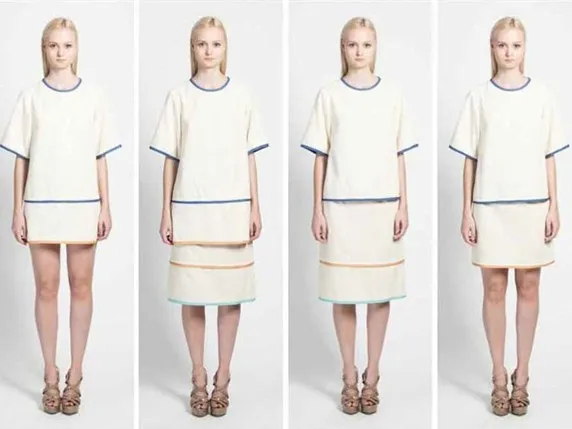
Image 1: Multiples ways to wear a modular Flavia La Rocca dress retrieved from https://www.vogue.it/talents/nuovi-talenti/2013/01/flavia-la-rocca
2. Design Philosophy and Modular System
2.1 Concept of Modularity
Each creation is conceived as a flexible system composed of interchangeable modules, such as tops, skirts, sleeves and detachable bodices, which can be disassembled and reassembled to create multiple outfits. The modules are joined together by zips or hidden fastenings, allowing interchangeability between collections and seasons and ensuring aesthetic and functional continuity over time.
The design is based on key principles:
-
Interchangeability: the modules are designed with standardised sizes and fastening systems.
-
Standardisation: each component follows consistent design patterns, ensuring compatibility between different garments.
-
Design for disassembly: facilitates repair, recycling and recovery of materials at the end of their life.
-
Emotional durability: the possibility of modifying and reinterpreting the modules strengthens the bond between the user and the garment.
2.2 User Interaction and Circular Behaviour
The brand adopts a Made To Order model, producing exclusively on demand and making each garment to measure. This choice is opposed to the ‘see now, buy now’ logic typical of fast fashion and aims to avoid overproduction and the accumulation of unsold items. Although it involves longer production times, this strategy fully reflects the brand’s philosophy, which is oriented towards conscious slow fashion, prioritising quality and versatility over quantity. The goal is to create fewer garments but with more combination possibilities, promoting an essential, customisable and sustainable wardrobe that reduces waste and optimises the use of resources.
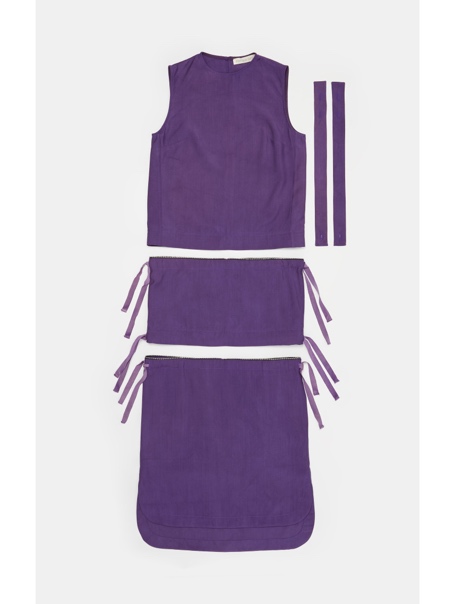
Image 2: Modular components of Flavia La Rocca’s “The Not Just a Dress Set” retrieved from https://www.flavialarocca.com/
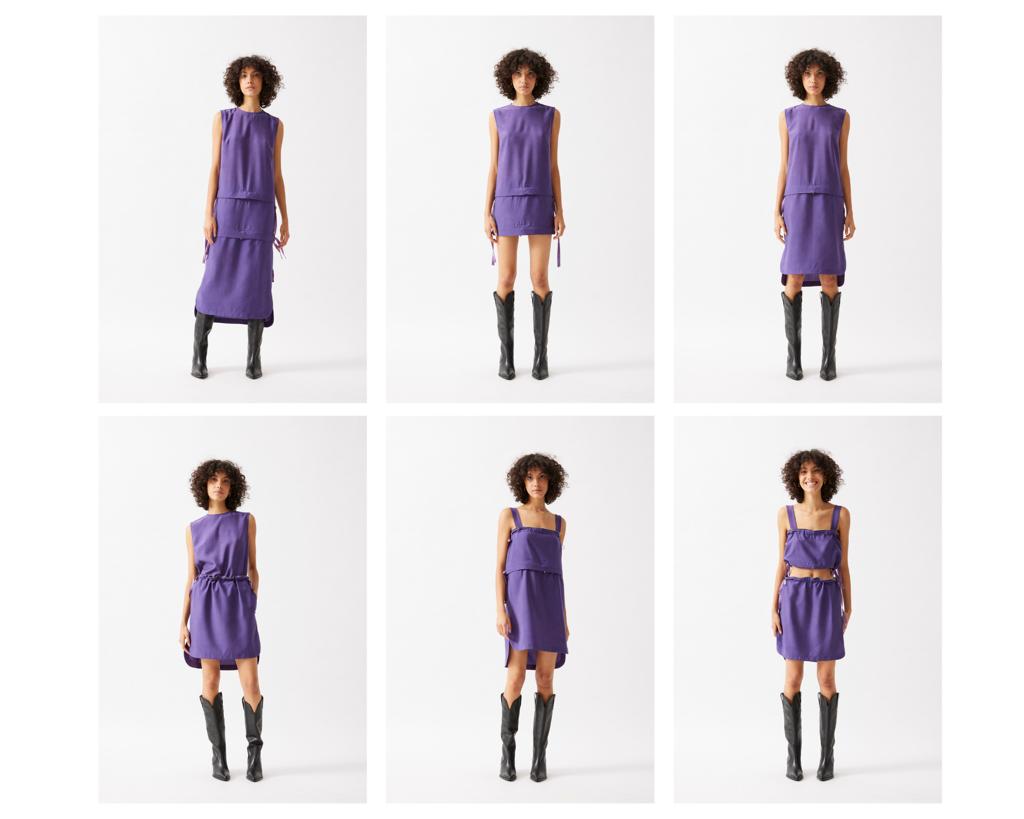
Image 3: Flavia La Rocca’s “The Not Just a Dress Set” worn six different ways retrieved from https://wwd.com/fashion-news/fashion-scoops/flavia-la-rocca-launches-e-commerce-made-to-order-sustainable-1235397337/
3. Innovative Use of Textile Materials
3.1 Sustainable and Innovative Fabrics
Use eco-sustainable certified materials:
-
TENCEL™ LYOCELL: these fibres come from tree pulp, dissolved in a non-toxic organic solvent, using a closed-loop production process that reuses water and over 99% of the solvents. They are biodegradable and compostable in industrial, domestic, soil and marine conditions, so they can return completely to nature.
-
TENCEL™ LUXE: The eco-botanical version of silk, derived from renewable wood sources.
-
Zippers: All zippers are made of nickel-free brushed metal, certified to Oeko Tex Standard 100, with NewLife recycled polyester tape.
In collaboration with Phillacolor, the brand uses only natural dyes for dyeing fabrics, completely free of toxic substances, pesticides, nitrates or preservatives.
The technique used, known as cold dyeing, involves diluting the pigment in water, in which the fabric is immersed until it is completely absorbed. The material is then brushed to achieve an even distribution of colour, which is naturally fixed through oxidation in the air.
Another sustainable aspect of the process is the reusability of the dye baths: the residues can be used for subsequent dyeing, and as the pigment concentration decreases, they are regenerated or used to obtain more delicate shades.
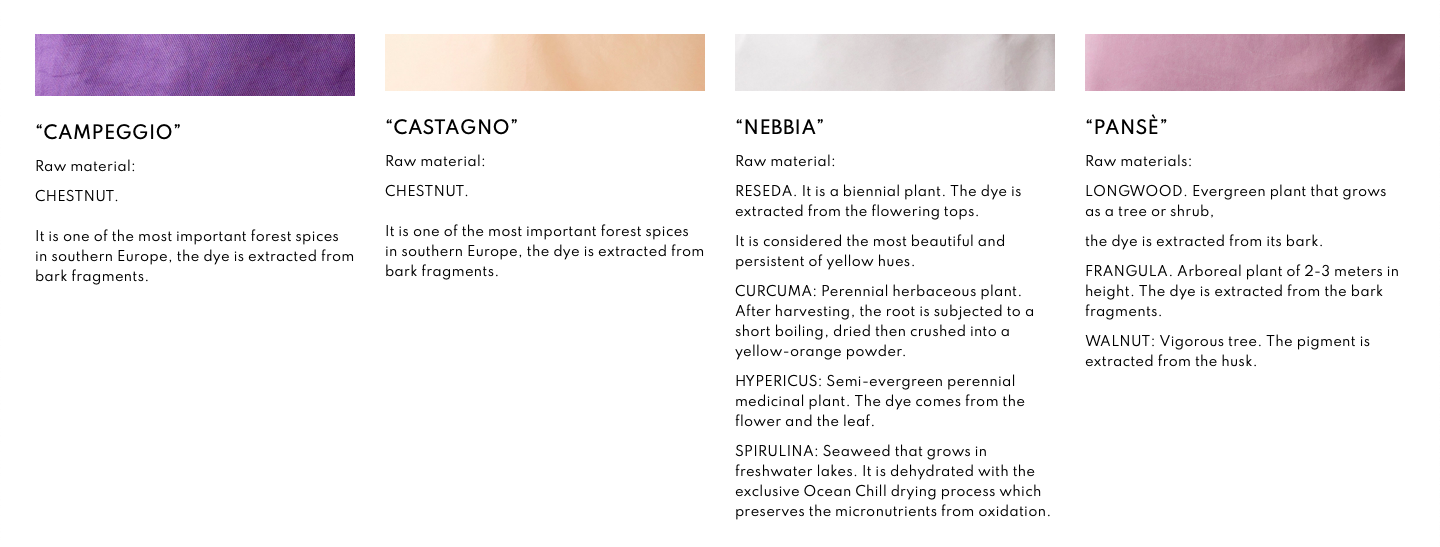
Image 4: Natural dyed textile colour samples retrieved from https://www.flavialarocca.com/content/8-natural-dyeing
3.2 Synergy between Material and Design
The quality and resistance of the fabrics used ensure that each module maintains its integrity even after numerous uses and transformations. The materials, while lightweight, offer high durability, making attachment and detachment easy and safe without compromising the structure of the garment. Furthermore, the consistency of the texture and aesthetics of the fabrics promotes harmonious integration between the various modules, ensuring visual continuity and stylistic uniformity in the overall design.
4. Impact, Challenges and Value as Good Practice
Positive Impacts:
-
Environmental: extending the life cycle of garments, limiting waste and reducing the need for new resources, the multifunctionality of the modules allows for multiple uses of a single garment, decreasing the overall environmental impact of production.
-
Social: promotes a more conscious approach to fashion, encouraging consumers to be more aware of the value of reuse, repair and durability.
-
Economic: it reduces overproduction, encouraging a more essential wardrobe, and promotes local supply chains and Italian craftsmanship.
Challenges:
-
Production complexity: it requires advanced pattern-making skills and a high degree of precision in the cutting, assembly and adaptation of modules, making the processes more complex than traditional production.
-
Market adoption: modularity is still perceived as an experimental or niche concept, which limits its large-scale diffusion.
-
Communication: tools and information are needed to educate consumers on the use of modular garments.
Summary of Good Practice
Modular design can be both an aesthetic innovation and a systemic change in the way fashion is conceived. La Rocca integrates circular materials and sustainable processes, demonstrating that it is possible to combine environmental responsibility and functionality.
At the same time, it serves as an educational model for new generations of designers, showing how creativity, ethics and durability can coexist harmoniously in a fashion system geared towards a more conscious future.
References
Flavia La Rocca. (n.d.). Flavia La Rocca. https://www.flavialarocca.com/