Innovative Materials Under the Microscope
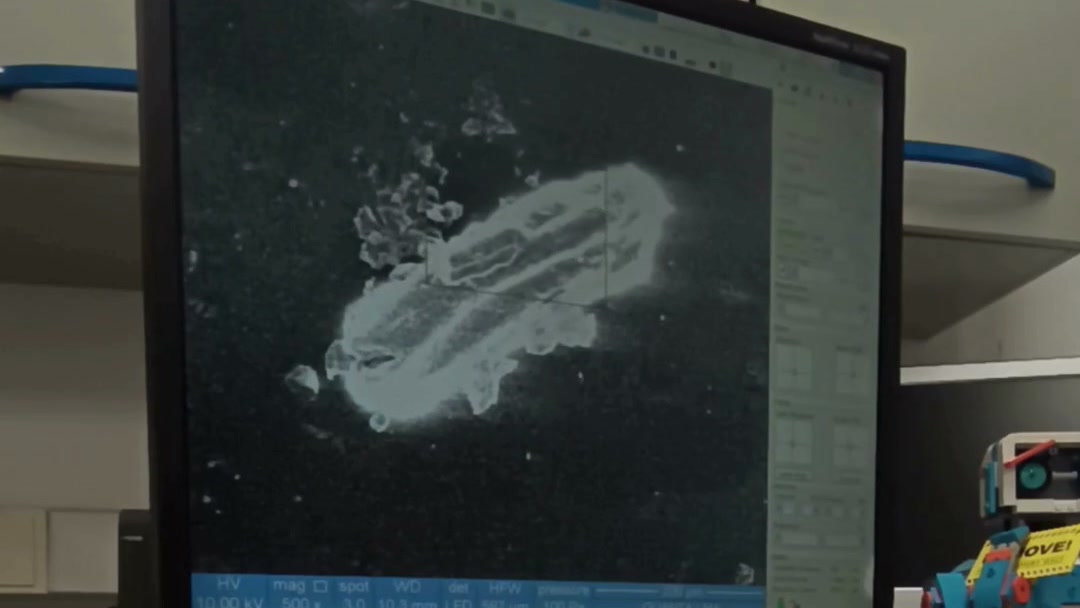
We visited the LMA facilities to use the Scanning Electron Microscope (SEM) and analyze several Pyratex textiles, including bamboo and banana-based fibers.
Latest updates, insights, and developments from the IMASUS project on sustainable fashion.
Discover our most impactful stories on sustainable fashion innovation.
We visited the LMA facilities to use the Scanning Electron Microscope (SEM) and analyze several Pyratex textiles, including bamboo and banana-based fibers.
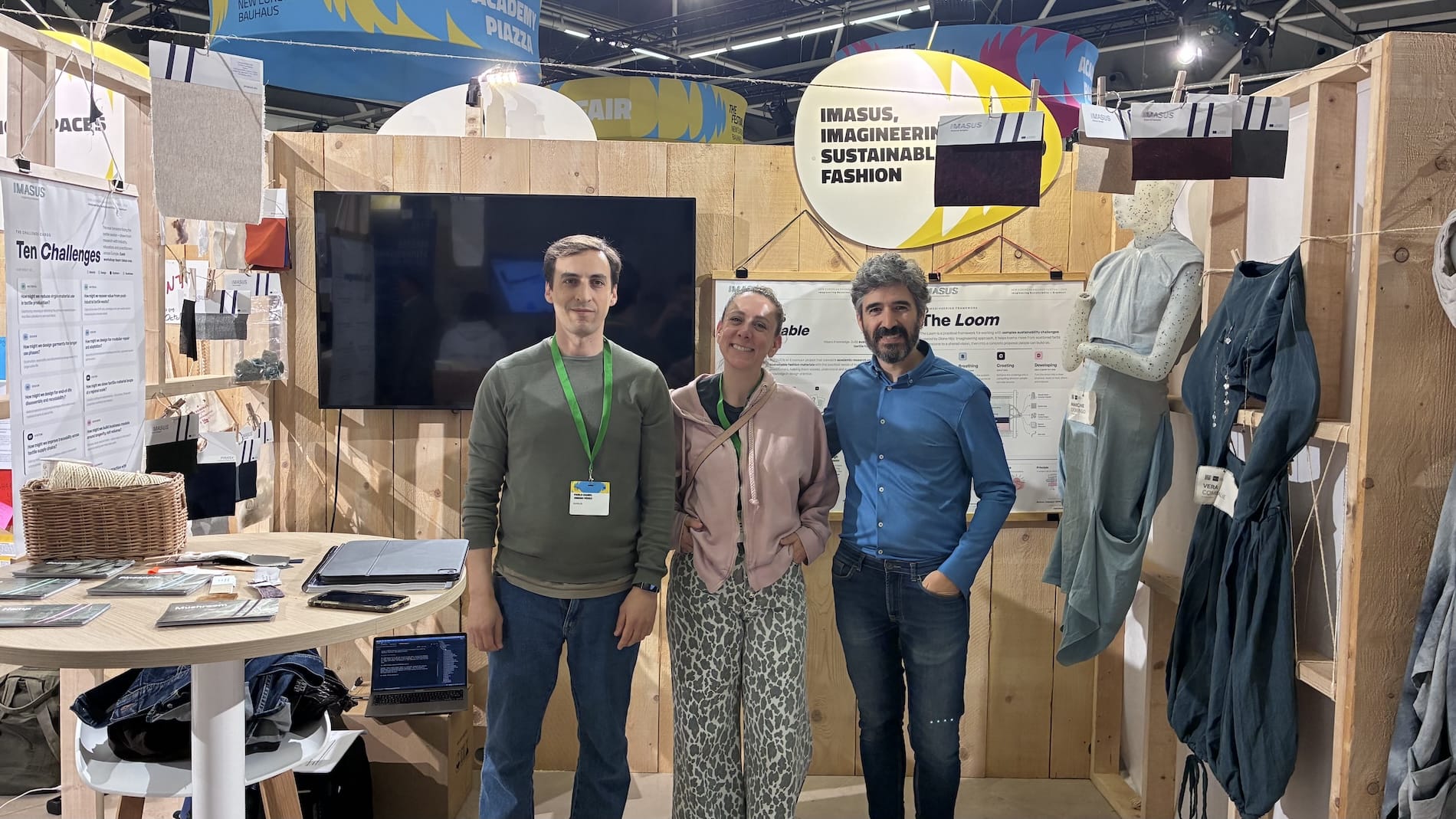
After speaking with Ietje from Pyratex, we received a new set of certified textile samples made from bamboo, recycled cotton, algae, and other innovative materials.
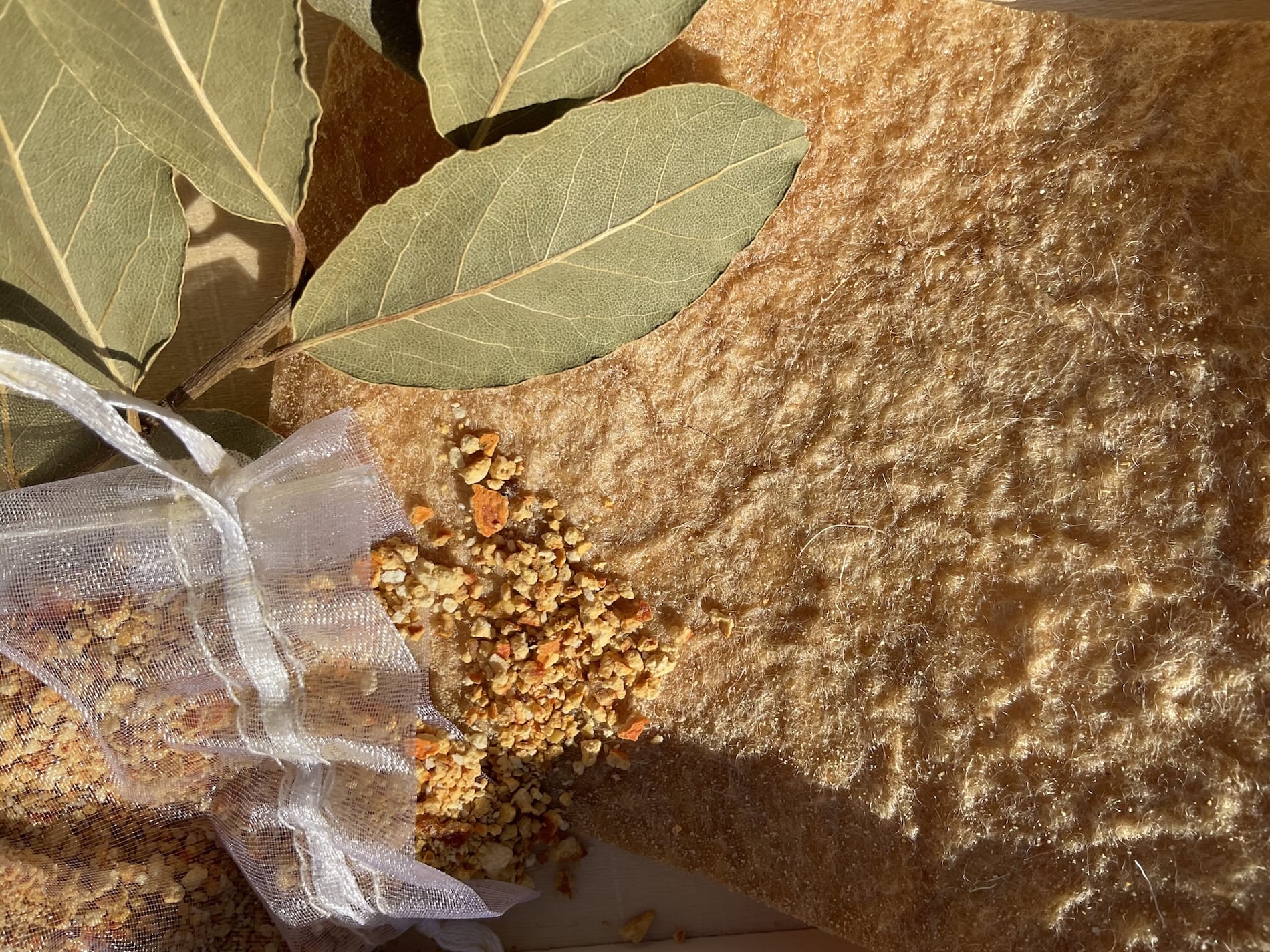
We are pleased to have the first Open Call results in our hands, with new samples from Torné Grup-TNTEX.
Browse our complete collection of articles on sustainable fashion.
We visited the LMA facilities to use the Scanning Electron Microscope (SEM) and analyze several Pyratex textiles, including bamboo and banana-based fibers.
After speaking with Ietje from Pyratex, we received a new set of certified textile samples made from bamboo, recycled cotton, algae, and other innovative materials.
We are pleased to have the first Open Call results in our hands, with new samples from Torné Grup-TNTEX.
We received Musapiel samples at INMA and will soon examine this banana-fiber, compostable leather alternative under the microscope.
At Dutch Design Week, we discovered that compostable fashion is less about perfect materials and more about rethinking how clothes are made and shared.
From hemp and algae to carbon-negative materials, Revoltech’s story is not just technical—it’s about vision, collaboration, and changing how materials are made.
We are inviting textile labs, creative hubs, and independent brands to submit their sustainable textile materials for the IMASUS platform.
Our new needs analysis distills survey insights from educators, laboratories, and small fashion enterprises to guide the next phase of the IMASUS platform.
Using SEM at Zaragoza’s Advanced Microscopy Lab, we examined Ecoalf’s recycled fabrics—from polyester to coffee fibers—uncovering their hidden structures.
New Ecoalf samples arrived at INMA, recycled fabrics that inspire fresh ideas for sustainable design.
We interviewed Diane Nijs on her Imagineering framework and how it empowers students to drive systemic change in sustainable fashion.
Using scanning electron microscopy, we explored wool fibres from different origins, uncovering variations in structure that can inspire sustainable textile innovation.
The research IMASUS partner INMA will be presenting at the N4SNano Global Summit 2025 in Barcelona, Spain.
IMASUS joined the launch of the Disruptive Materials Institute in Berlin, presenting our new platform alongside pioneering projects in textiles and biomaterials.
INMA begins analyzing sustainable textiles using electron microscopy, revealing the microstructures that define their performance and potential in fashion applications.
IMASUS is a European project bringing together science, fashion, and education to shape a more sustainable future for the textile industry.