

Over the past months, we’ve been characterizing and documenting innovative alternatives that can help the textile industry transition away from linear practices. Each material in our database represents a different approach, it is a different piece of the puzzle.
One of these innovators is Revoltech, whose materials: Lovr (hemp-based) and Mattr (algae-based), have been fully characterized and will be included in the database with full results published in the coming months.
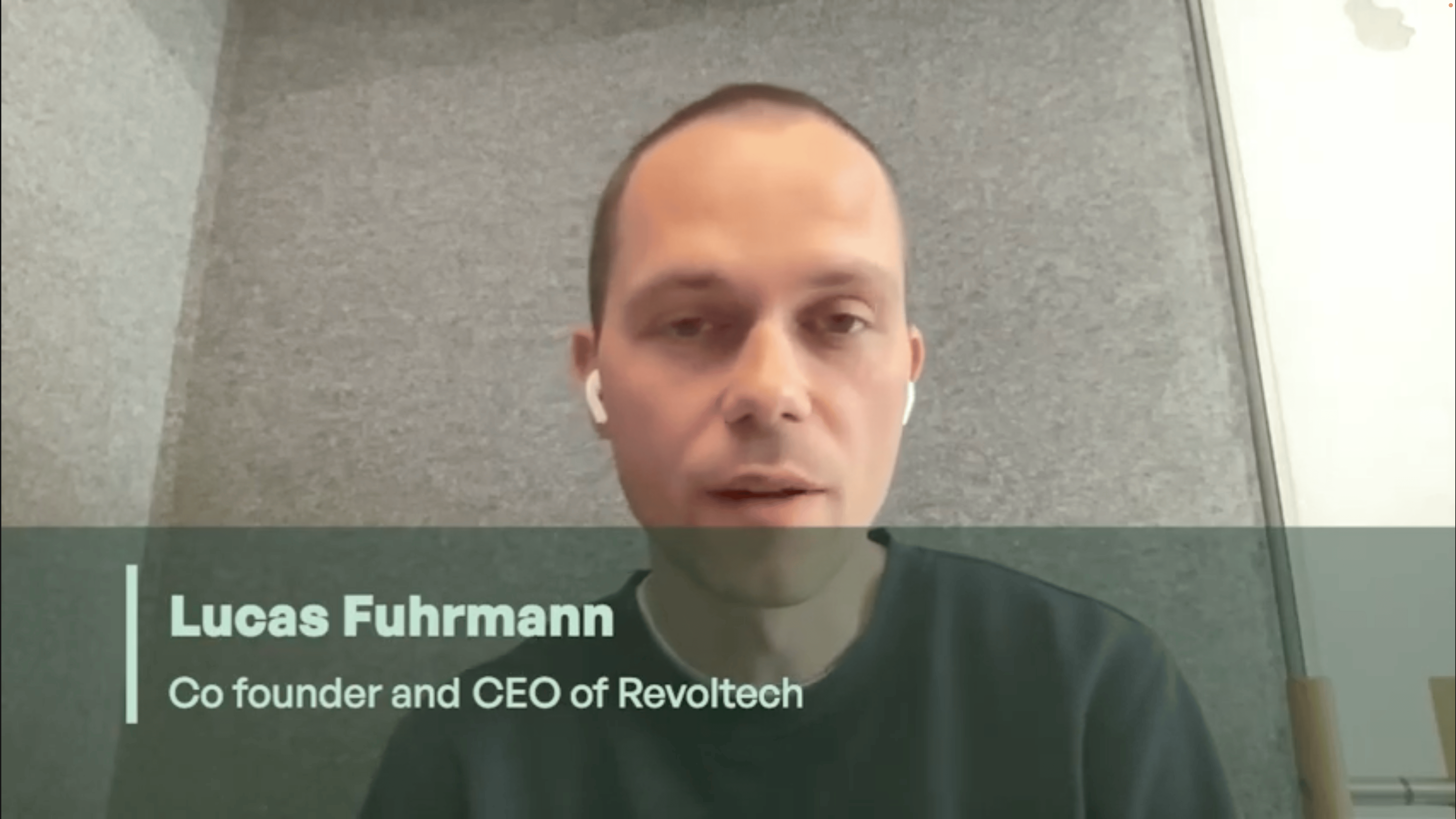
But beyond the technical specifications and lab results, we wanted to share something more personal: a conversation with Lucas Furhmann, Co-Founder and CEO of revoltech, about their vision, their materials, and their advice for the next generation of designers.
What Makes revoltech’s Approach Different?
Revoltech isn’t just creating “alternatives” to leather that are 100% bio-based and biodegradable. No polyurethane. No PVC. No compromises.
But here’s what makes their approach particularly interesting: their materials are carbon negative. Hemp grows fast with deep roots that stay in the soil after harvest, contributing to humus formation and sequestering carbon long-term. When you calculate the full lifecycle, hemp fibers actually have a negative carbon footprint.
From Lab to Real World
What caught our attention about Revoltech is that they’re collaborating with the fashion industry on accessories and applications that will hit the market in the coming months. And you can already buy a Swiss watch with Lovr material. This is innovation that’s actually reaching people.
The Best Advice for Students (Spoiler: Do Your Research)
When we asked Lucas what advice he’d give to design students, his answer was direct: stop trusting easy headlines.
There’s a lot of greenwashing out there. Materials that sound sustainable probably aren’t. Your responsibility as a designer is to ask difficult questions—to manufacturers, to suppliers, to yourself. Really understand the materials you’re planning to use before you commit to them.
And be patient. Developing truly sustainable materials takes time. It’s not something that happens quickly or easily, and designers who want materials “tomorrow in 20 different colors” need to understand the complexity of what they’re asking for.
Why This Collaboration Matters
Our collaboration with revoltech has been special from the start. We first met Christian Boxheimer at a bio-based ecosystem event, and from that first conversation, everything clicked. Their openness, speed, effectiveness, and collaborative spirit made working together effortless.
For me it’s a reminder that the sustainable materials revolution isn’t just about science, it’s about people who genuinely want to solve problems together.