
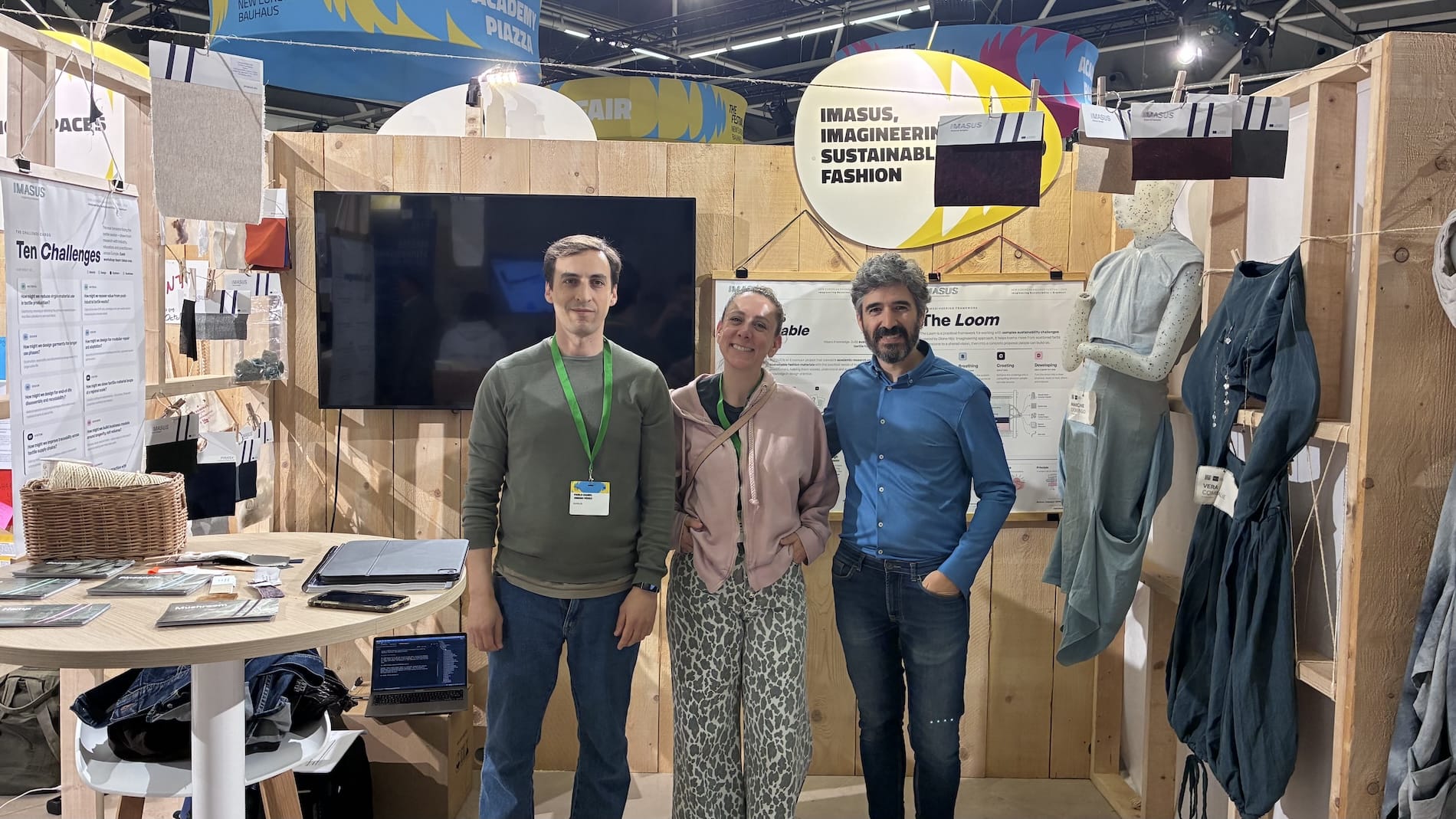
In June 2026, Brussels hosted the third edition of the New European Bauhaus Festival, a biennial celebration bringing together the community, projects, and ideas that make up the New European Bauhaus movement. For IMASUS, it was an opportunity we had been preparing for: a chance to present our work to one of Europe’s most important audiences for sustainable innovation, interdisciplinary design, and collaborative transformation.
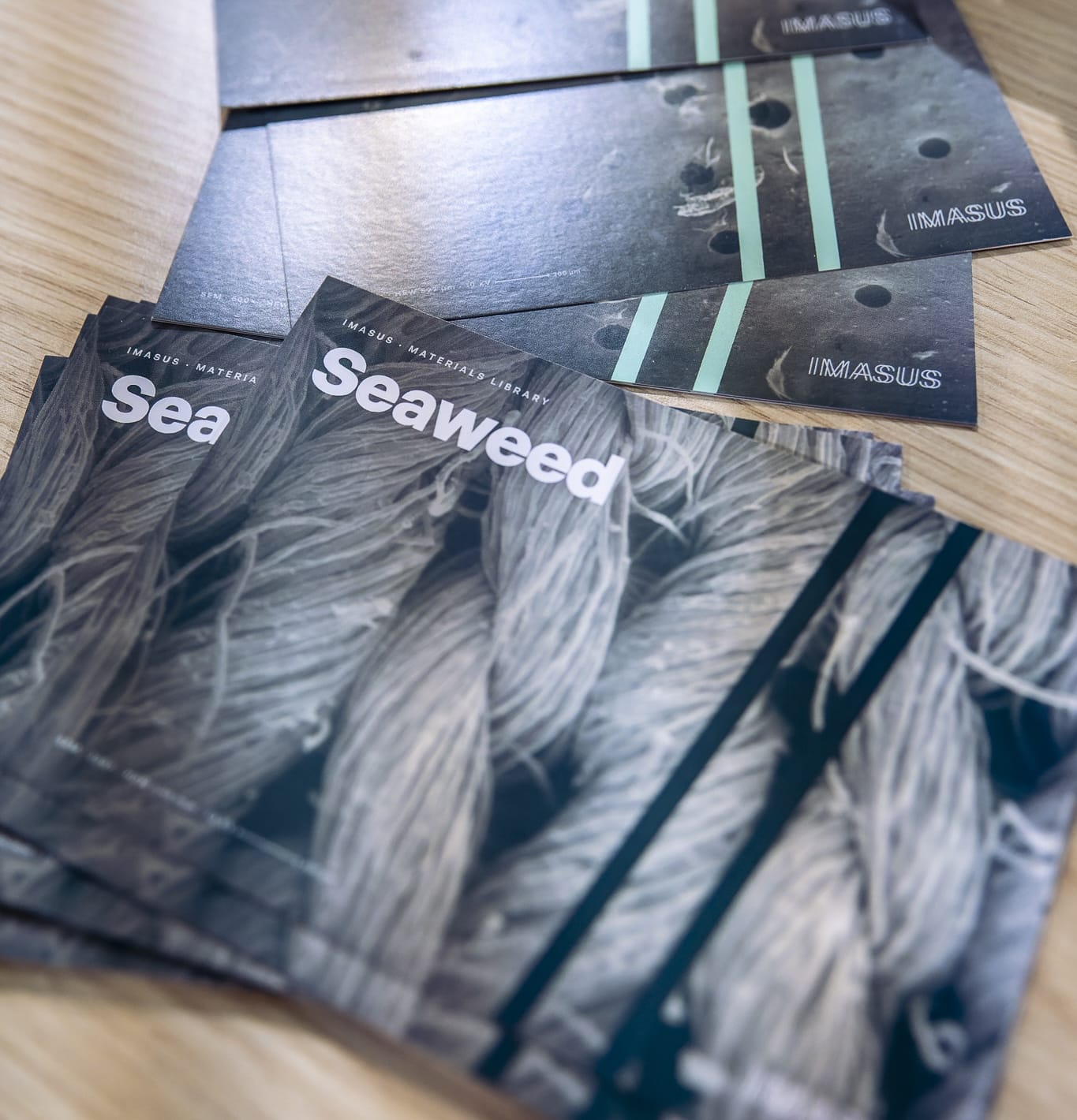
Pablo, Tessa, and I were at the stand at different points throughout the week. We brought together the digital tools, materials library, and student work from the workshops. Our NEB Festival materials page brings together the presentation, posters, postcards, and workshop worksheets we prepared for the event, so visitors can continue exploring the project after the Festival. What follows is what it felt like to be there, and who we met.
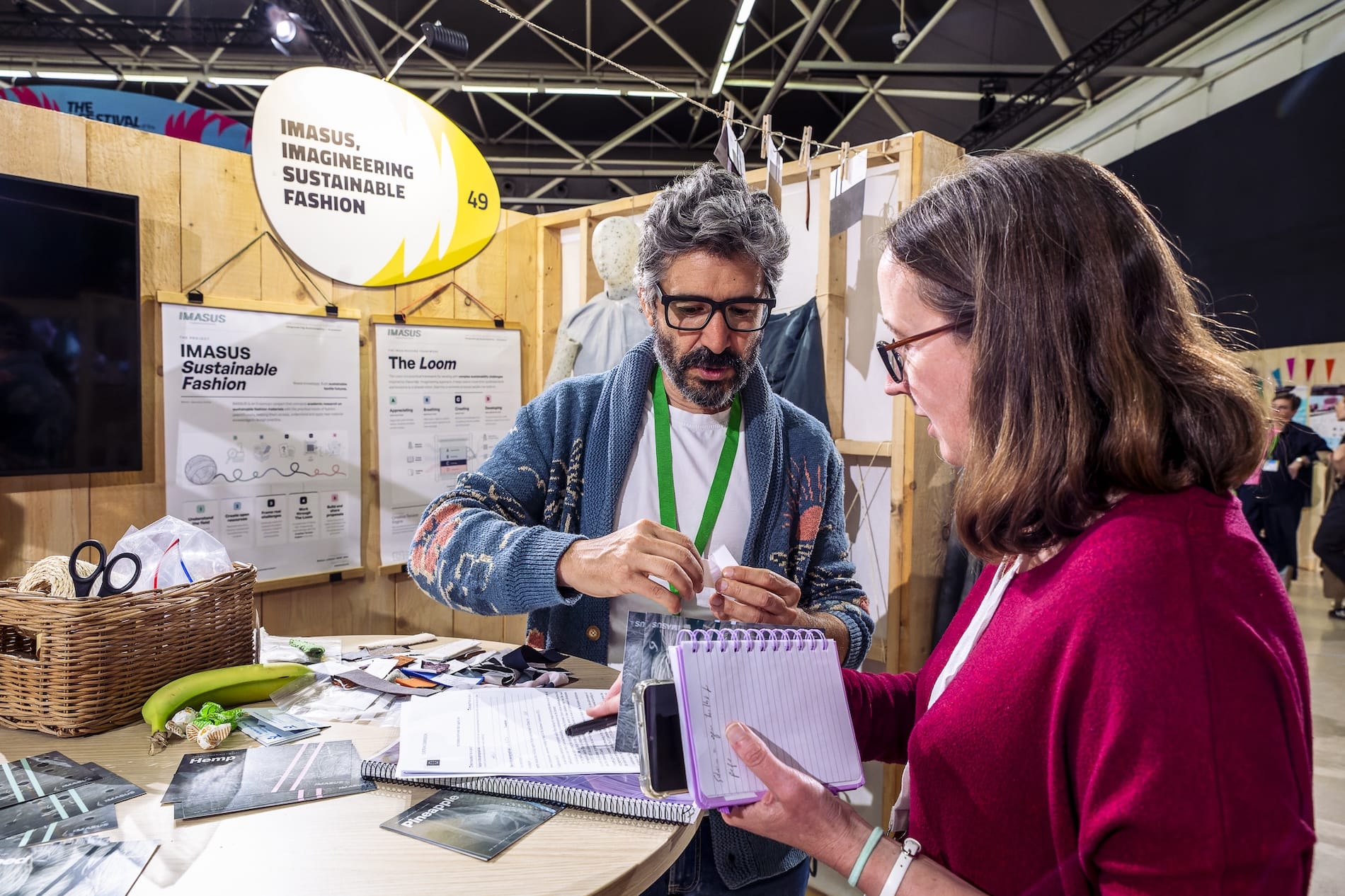
The Stand in Action
People came to the stand drawn by the materials. The combination of physical samples—fibres made from pineapple leaves, banana waste, and other sources that visitors could hold and feel—alongside the visual presentation of the methodology created an immediate connection. Visitors did not need a long explanation: they touched a sample, looked at a poster, and the conversation began.
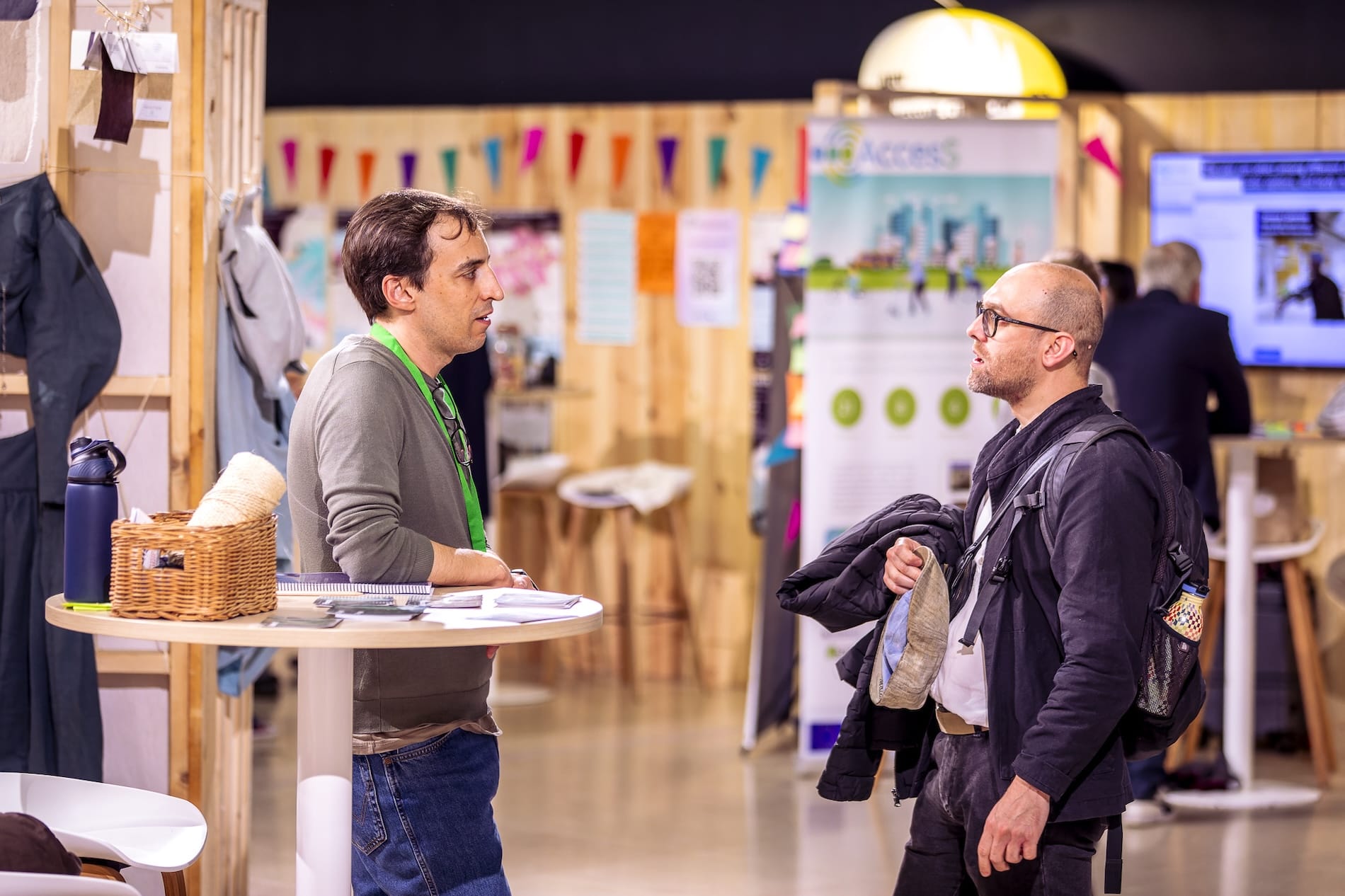
The reaction from the fashion and textile community was enthusiastic. That energy confirmed something we had suspected but had not yet tested at this scale: IMASUS is addressing a real gap. A project that connects material science, open tools, and creative methodology for fashion education resonates because this combination is still rare.
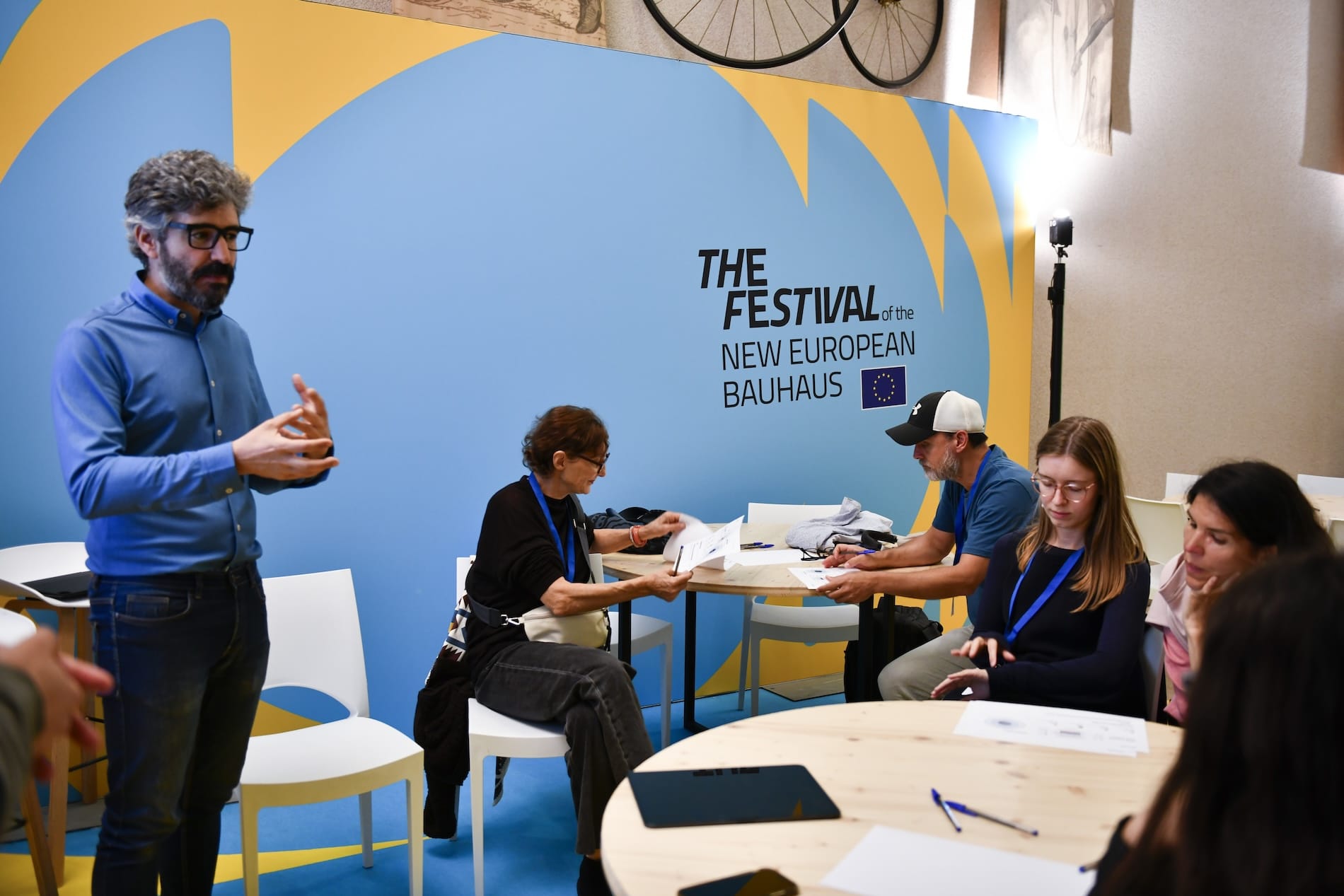
The Workshop
The project also ran a dedicated workshop during the Festival. When we explained that the materials database, the tools, and the code behind them are entirely open—that anyone present could copy the database, fork the tools, take them home, and start using or adapting them right away—the reaction was immediate.
For many participants, the idea that an Erasmus+ project could leave behind genuinely reusable infrastructure, rather than reports filed and forgotten, was unexpected. That moment felt like the clearest expression of what IMASUS is trying to be.
Conversations That Will Continue
Some of the most valuable exchanges happened away from the stand. At a Forum panel on textiles, I had the chance to connect with Anneleen Bertels, co-founder of Knotto, a project building collaborations between European designers and Japanese craftspeople. Its exhibition at Maison Hannon in Brussels was running during the same week. We quickly found common ground in the relationship between ancestral material knowledge and contemporary design practice, and in how to make that knowledge useful in practice.
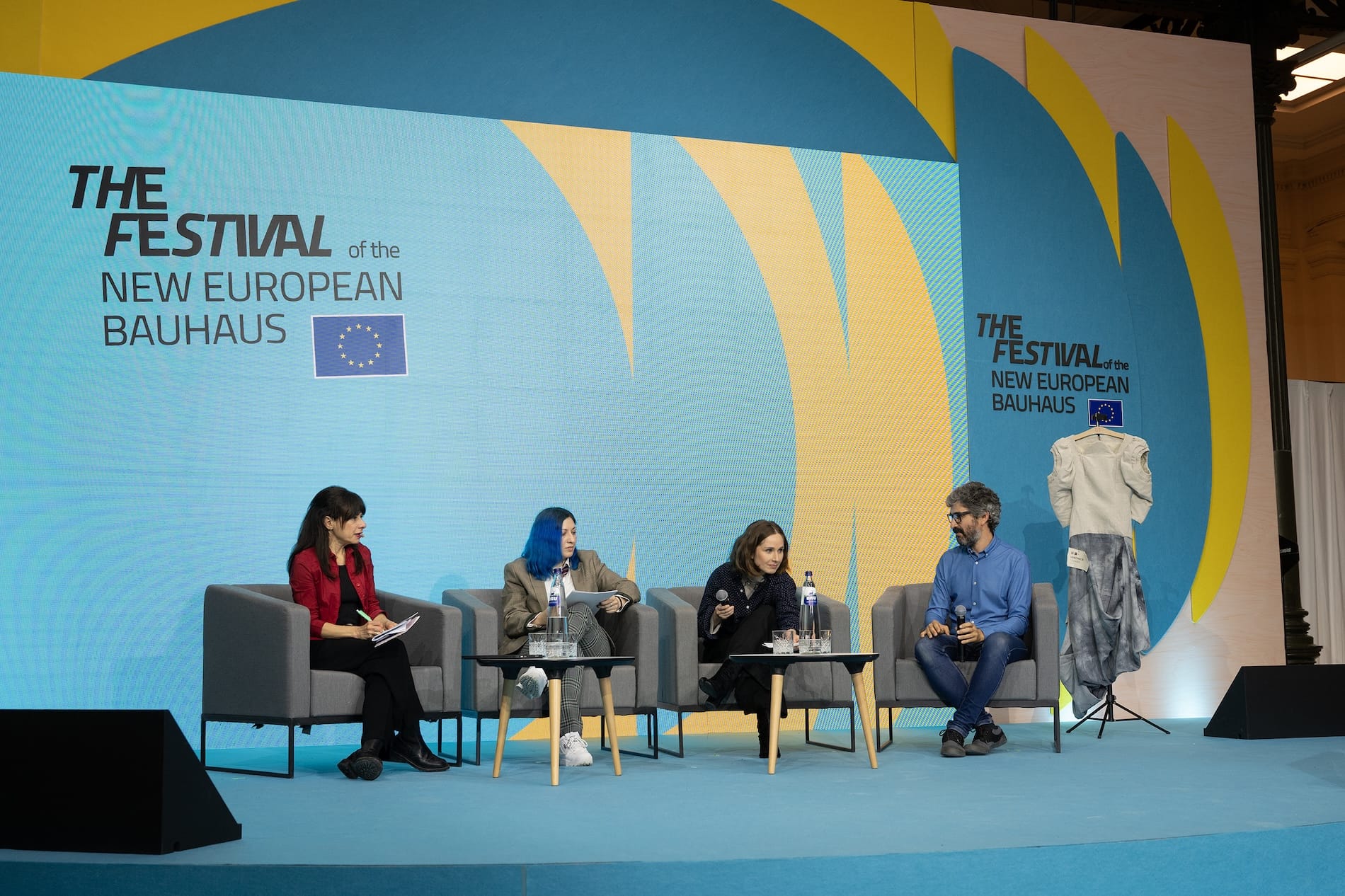
I also met Tamari Aptsiauri, co-founder of COSMO, a Georgian circular design brand working across craft, retail, and international partnerships. Her perspective on building a sustainable fashion business grounded in traditional craft was a sharp, practical counterpoint to the more research-oriented conversations we were having at the stand—and a reminder that the route from knowledge to practice takes many forms.
We also attended the closing session of the Creative FLIP Final Conference, which ran on 9 June alongside the Festival opening. The gathering brought together people from across the cultural and creative sectors and opened conversations well beyond the textile world.
A Project with Traction
Returning from Brussels, I feel more confident than ever that IMASUS is in the right territory. The Festival showed how much appetite there is—from policy actors, educators, and practitioners—for projects that treat sustainable fashion not as a branding exercise, but as a genuine educational and methodological challenge. The work we have done on materials, tools, and pedagogy is directly useful to people trying to change how fashion is taught, designed, and made.
There is more to do. But Brussels showed us clearly that it is worth doing.
IMASUS—Imagineering Sustainable Fashion—is an Erasmus+ KA2 project. Learn more at imasus.eu.