

Imagining Sustainable Textile Futures
A 60-minute workshop · New European Bauhaus Festival · Brussels

Resources, tools and a shared method — all open.
One real industry tension, shared by the whole room.
Actors, forces and leverage points.
A Name, a Promise, a Principle.
A concrete next step to explore after today.
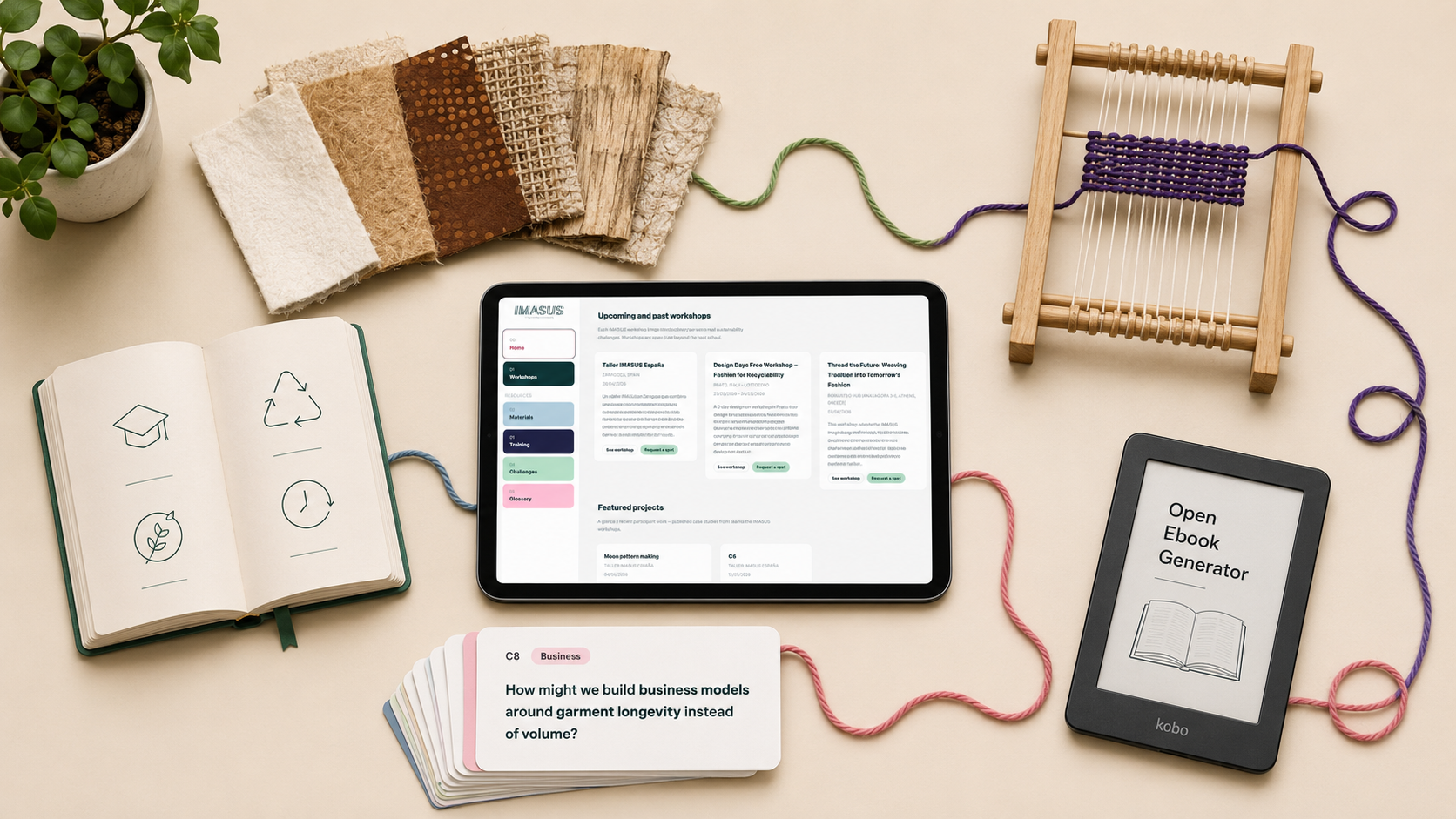
It connects material knowledge, sustainable design strategies, challenge framing and collaborative workshop methods — for designers, educators, researchers, industry and policy.
Material research exists — but it is often locked in technical language and paywalled journals.
Sustainable design principles exist — but they are hard to apply across whole systems.
Many actors care — but they work from different languages, incentives and constraints.
Patterning, cutting and constructing without leftovers.
Materials and seams that can be unmade and reborn.
Garments that adapt, repair and grow with their wearer.
Pieces designed to last, age well, and stay loved.
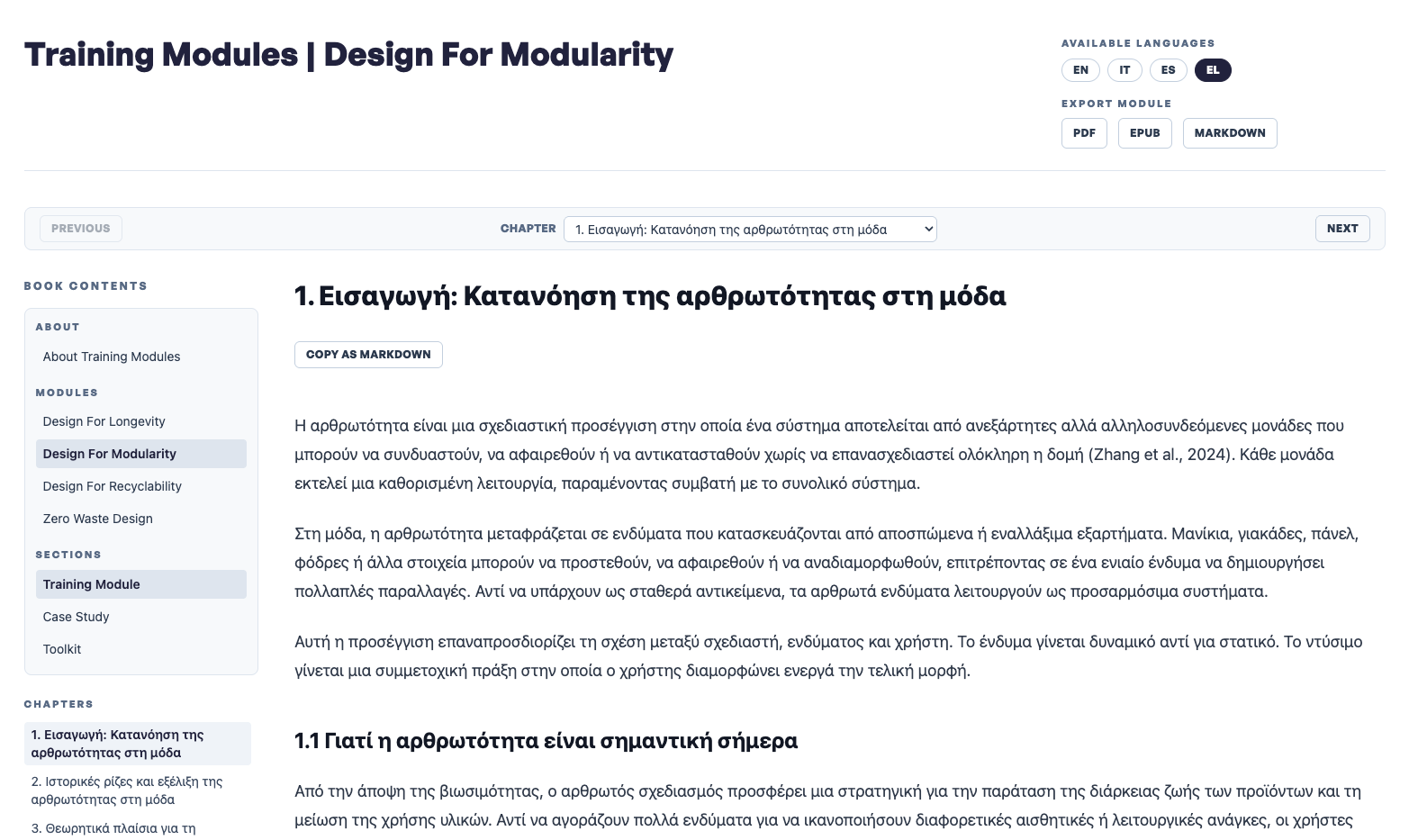
A Bridgetown-based ebook generator: web reading, PDF and EPUB export, and reusable source formats — ready to publish adaptable learning materials for any project.
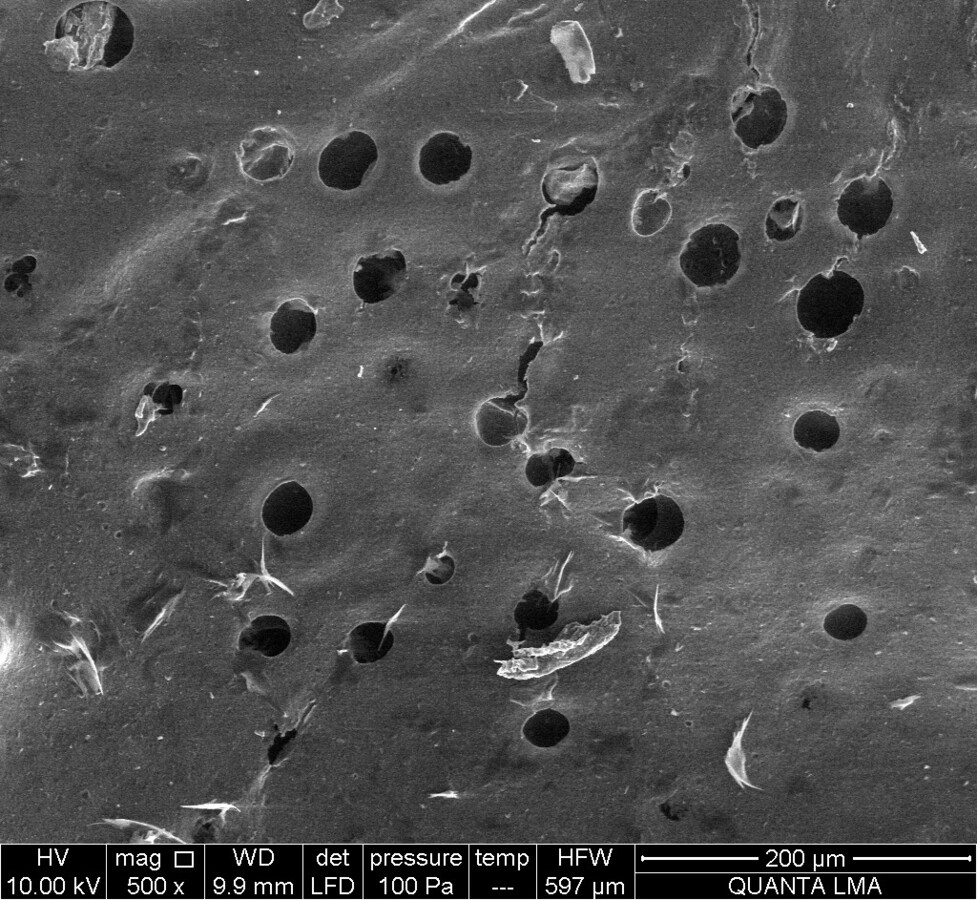
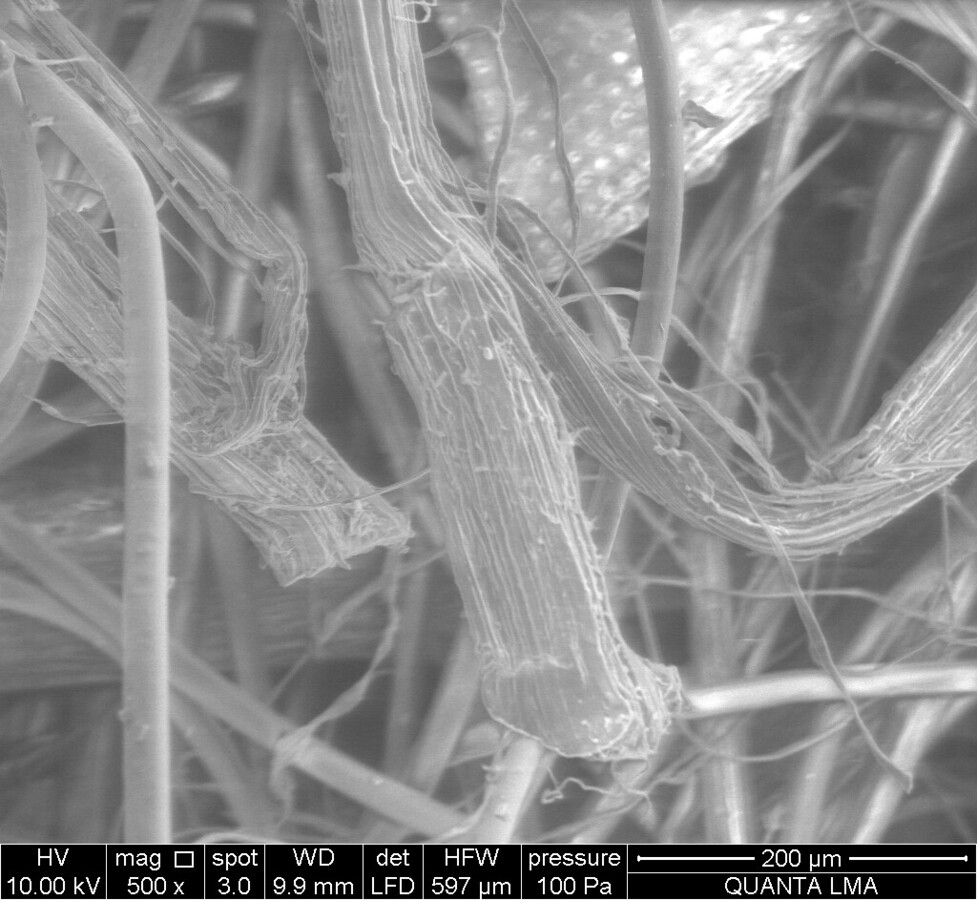
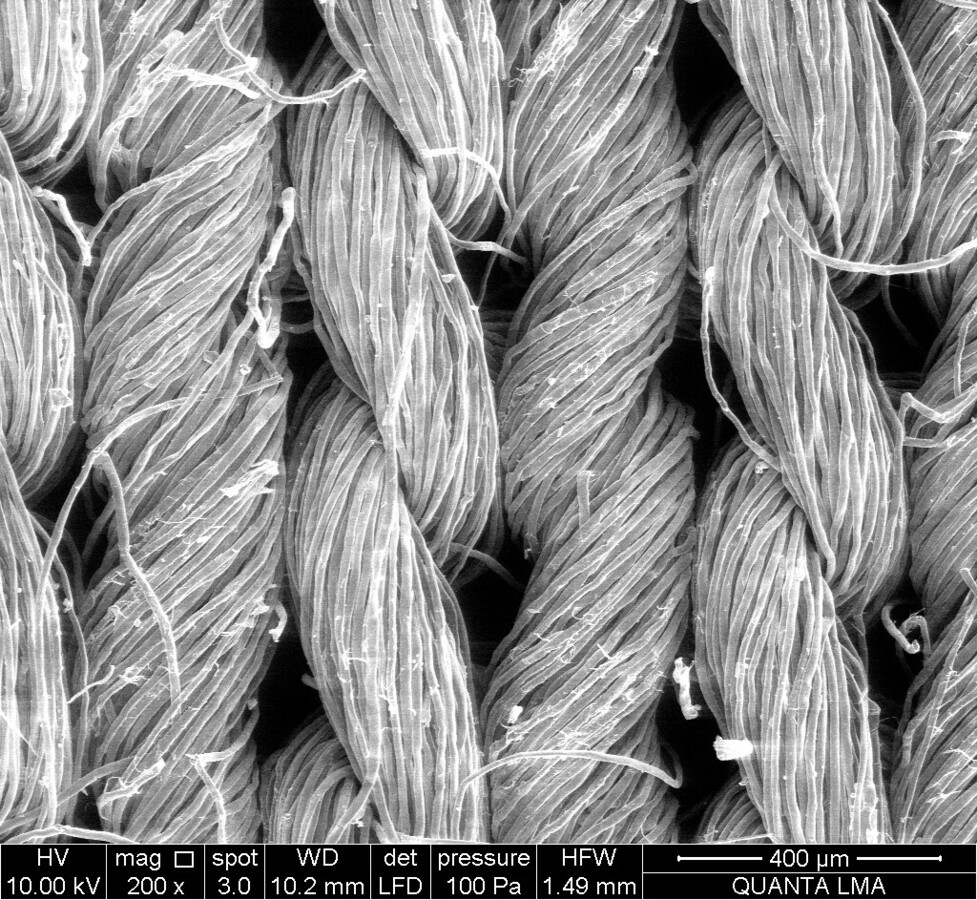
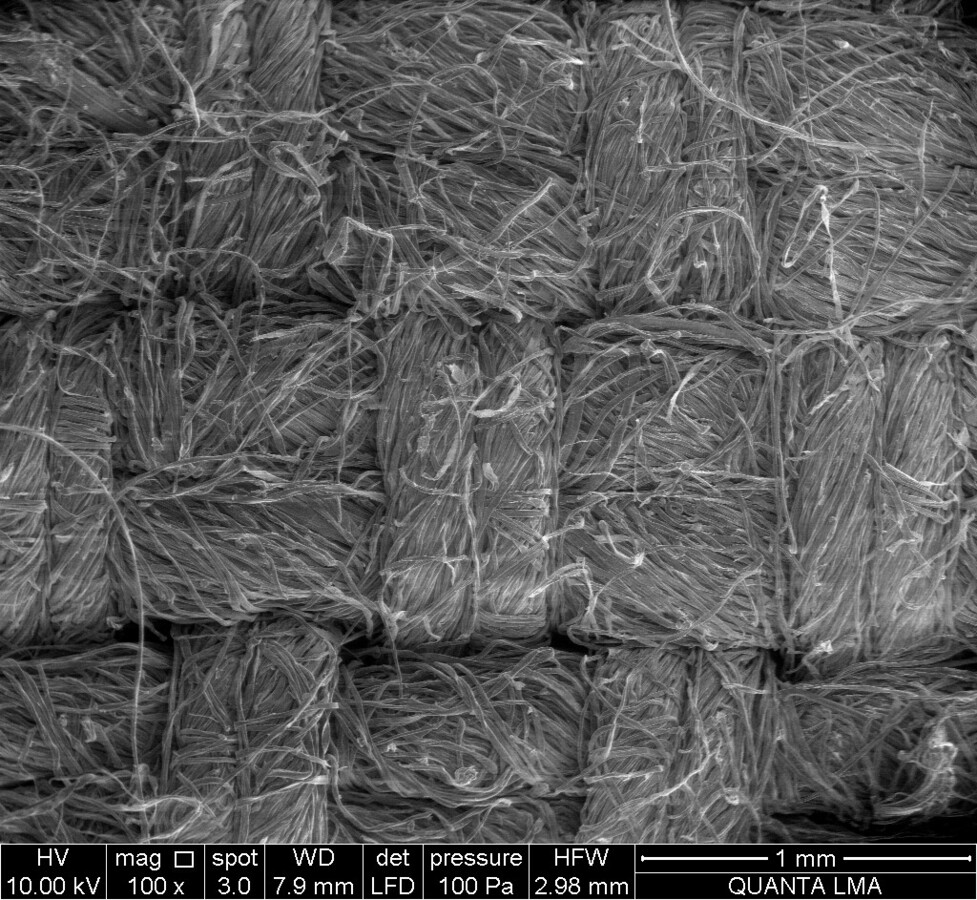
A searchable library of sustainable and innovative textile materials — translated from technical research into accessible educational language.
A framework for exploring complex challenges, mapping the system around them, reframing possibilities, and shaping first actionable concepts.
A direction that gives people energy and pulls action toward change — written in three parts.
A phrase people remember.
What becomes possible.

A simple rule for decisions.

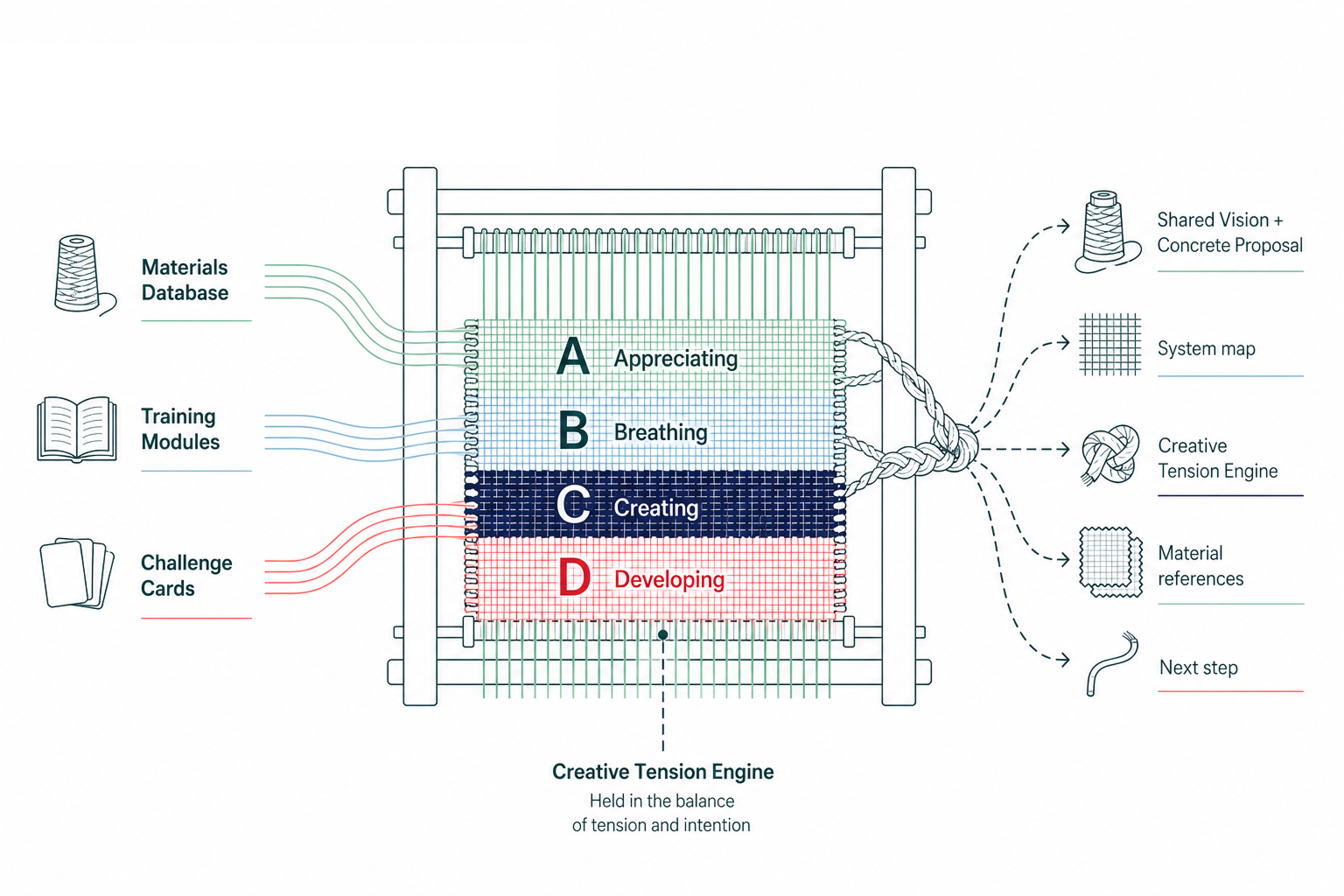
A workshop management and participant journey app for complex innovation. In IMASUS it connects materials, training modules, challenge cards and workshop journeys — open-source, free to use, free to fork.
Search materials for a design or policy question.
Use an open module in your class or training.
Start a workshop from a single Challenge Card.
Adapt the open-source app or ebook generator for another topic.
Off-cuts, selvedges, yarn waste, and rejected lots produced during manufacturing — how can their material value be captured before it becomes post-consumer waste?
Makers, users, suppliers, regulators, educators — who touches this challenge?
Habits, incentives, costs, rules — the forces holding the challenge steady.
One place where a modest change could ripple through the system.
Use provisional language. It does not need to be perfect.
A phrase people remember.
What becomes possible.
A simple rule for decisions.
What does this lens reveal, strengthen, or challenge in your direction?
What would change if nothing could be thrown away?
Could it be unmade as easily as it was made?
What if parts could adapt, repair and be replaced?
What helps it last, age well and stay loved?
Keep the worksheet as a beginning. The next step is to research one resource, one material, or one actor that could make your direction more real.

Design studio leading toolkit, app and visual language.
Textile research centre — Prato, Italy.
European Creative Hubs Network — community & reach.
Aragón Institute of Materials Science — CSIC & Universidad de Zaragoza.

Erasmus+ KA220-VET project "IMASUS: Imagineering Sustainable Fashion". Grant Agreement No. 2024-1-ES01-KA220-VET-000257495. Funded by the European Union. Views expressed are those of the authors only.
If one phrase from your worksheet feels worth saying aloud — we have time for a few voices. No pitches, no explanations.