# Design For Longevity — English

## Introduction
The following Training Modules were produced by Lottozero Textile laboratories as an output of the IMASUS project, co-funded by the ERASMUS+ Programme of the European Union.

The content of this document represents the views of the author only and is his/her sole responsibility; it cannot be considered to reflect the views of the European Commission or any other body of the European Union. The European Commission do not accept any responsibility for the use that may be made of the information it contains.

The reuse of this document is permitted under the [Creative Commons Attribution 4.0 International (CC BY 4.0) license](https://creativecommons.org/licenses/by/4.0/), provided that appropriate credit is given and any changes are indicated.
Contributing expert: Arianna Moroder  
Author: Lauren Berardi

### About
IMASUS (Imagineering Sustainability) is a pioneering initiative dedicated to transforming the fashion industry towards sustainability and addressing climate change challenges and led by the partnership of the Institute of Nanoscience and Materials of Aragon, Lottozero textile laboratories, Munkun creative strategy & learning studio and the European Creative Hubs Network.

Fashion, while influential, is one of the largest contributors to environmental degradation. IMASUS seeks to catalyze a shift in industry practices by promoting sustainable methods, such as using organic materials, recycling, and adopting circular design principles. Our goal is to inspire a widespread change in behaviors and practices, fostering a sustainable, ethical, and creative future for fashion.

The project integrates academic research, industry expertise, and practical learning experiences to equip fashion professionals with the necessary skills and tools for the sustainable fashion sector. Through workshops, digital tools, and collaborative approaches, we are building a community focused on innovation and real-world solutions for the fashion industry.

---

Funded by the European Union. Views and opinions expressed are however those of the author(s) only and do not necessarily reflect those of the European Union or the European Education and Culture Executive Agency (EACEA). Neither the European Union nor EACEA can be held responsible for them.

## Training Module

# 1. Introduction: Defining Longevity in Fashion

Designing for longevity means creating garments that retain their functional performance, aesthetic relevance, and emotional significance over time. A long-lasting garment does more than resist physical wear; it continues to be valued, used, and cared for throughout its lifecycle.

The objective is not simply to produce durable clothing, but to design garments that remain desirable and adaptable. These may include styles that do not quickly fall out of fashion, versatile pieces that can be repaired or altered, and garments capable of evolving with the wearer. Longevity therefore operates at multiple levels: material, structural, cultural, and emotional.

Extending the useful life of clothing has measurable environmental benefits. When a garment is worn for longer, the environmental impacts associated with its production — including carbon emissions, water consumption, and resource extraction — are distributed across a longer period of use. Even doubling the lifespan of a garment can significantly reduce its overall environmental footprint, as fewer replacement items are required.

However, longevity cannot be reduced to material strength alone. Many garments are discarded not because they are damaged beyond repair, but because they lose relevance, desirability, or emotional value. For this reason, designing for longevity requires attention to both tangible and intangible dimensions of use.

Three interrelated principles underpin design for longevity:

-   **Physical resistance**  
    Garments must withstand repeated wear, washing, and handling. This depends on fibre quality, textile construction, and technical workmanship.

-   **Adaptability**  
    Clothing should accommodate changes in body shape, styling preferences, and seasonal conditions. Adjustable elements, thoughtful proportions, and flexible design strategies allow garments to remain wearable over time.

-   **Emotional durability**  
    Design can cultivate attachment. Through storytelling, craftsmanship, symbolism, and comfort, garments acquire meaning that strengthens the bond between wearer and object. When emotional value is present, users are more likely to maintain, repair, and retain clothing (Chapman, 2005).

At its core, the purpose of a garment is to be worn. A design that remains unused, regardless of its sustainability credentials, fails in its fundamental role. Understanding the needs, lifestyles, and values of wearers is therefore central to longevity. Designers must interpret not only trends, but also habits of care, patterns of use, and the cultural contexts in which garments exist.

Longevity is both a design strategy and a cultural position. It challenges the logic of rapid consumption by emphasising continuity over novelty. Rather than treating clothing as disposable, it frames garments as objects capable of carrying value — material, practical, and emotional — across time.

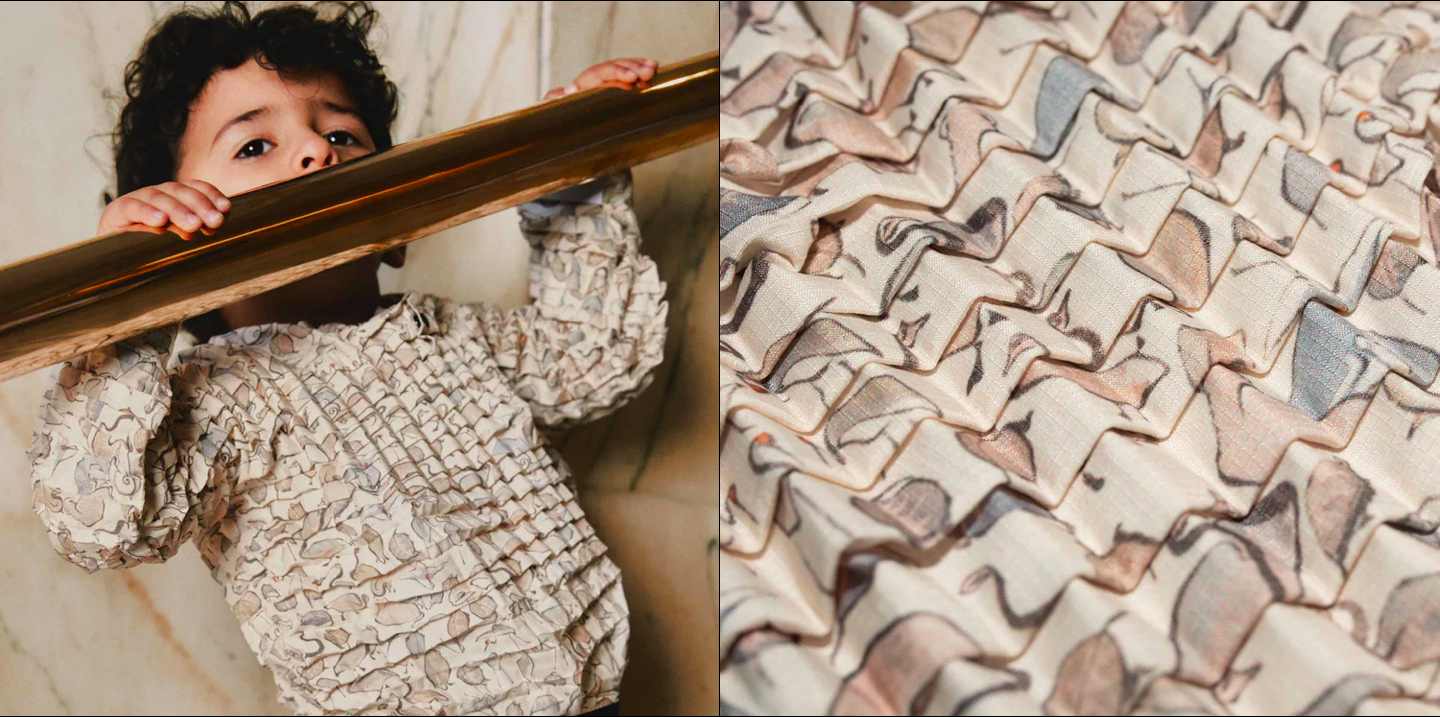
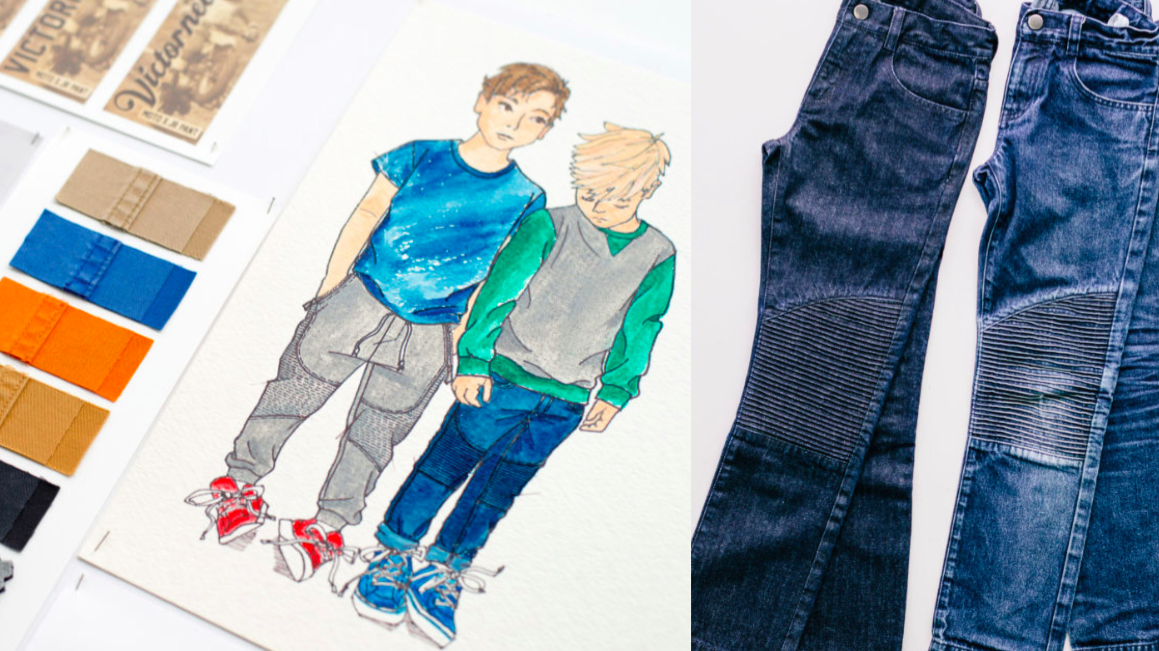
<img src="/assets/training-modules/media/design-for-longevity/en/training-module/media/image3.png" style="width:5.06771in;height:2.82763in" />

**Image 1:** Design examples illustrating durability and longevity strategies in childrenswear and denim garments, retrieved from [https://www.redressdesignaward.com/academy/resources/guide/design-for-longevity](https://www.redressdesignaward.com/academy/resources/guide/design-for-longevity?utm_source=chatgpt.com)

## 1.1 Learning Objectives

By the end of this module, learners should be able to:

-   Define longevity as a multidimensional design strategy (physical, emotional, functional, and cultural durability)

-   Explain how extending product life contributes to circular economy goals

-   Identify design decisions that enhance durability, repairability, and adaptability

-   Analyse the role of aesthetics, quality, and user attachment in slowing consumption cycles

-   Critically assess planned obsolescence and trend-driven production models

-   Integrate longevity principles into garment development processes

# 2. Historical and Cultural Contexts of Longevity

Before the Industrial Revolution, fashion operated according to principles that today would be recognised as sustainable. Garments were produced slowly and entirely by hand, using locally available natural materials such as wool, linen, and hemp (Blum, 2021). Production was closely connected to territory, craftsmanship, and resource availability. Because fabric required significant labour and cost to produce, it was treated as valuable and rarely wasted.

Cutting techniques often maximised fabric use. Textile remnants were reused as padding, patches, or incorporated into new garments. Clothing was worn for long periods, repaired when damaged, and reused across years or generations. Durability was not a trend — it was embedded in daily practice.

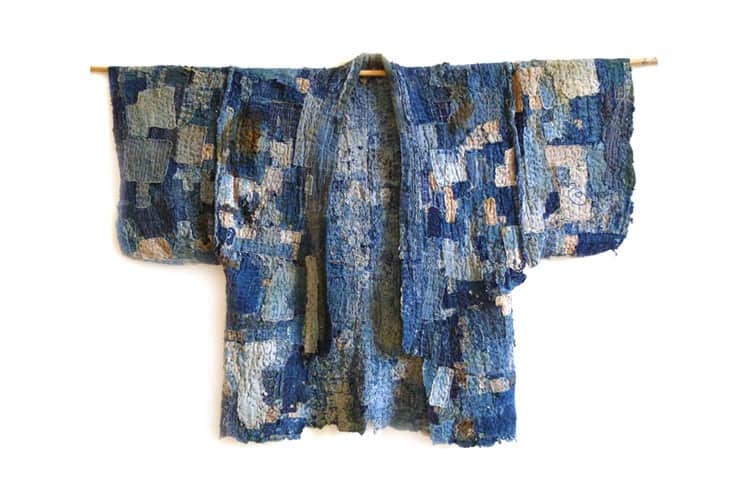
An illustrative example is the Japanese technique of **boro**, which developed among rural communities as a necessity-driven method of reinforcing worn garments. Scraps of indigo-dyed fabric were layered and stitched together, extending the life of textiles while gradually creating distinctive aesthetic surfaces. What began as repair evolved into a recognised cultural practice that demonstrates how scarcity can produce both resilience and beauty.
<img src="/assets/training-modules/media/design-for-longevity/en/training-module/media/image4.jpg" style="width:5.13957in;height:3.40017in" />

**Image 2:** Example of traditional Japanese boro textile repair using layered indigo fabrics and visible mending techniques, retrieved from <https://www.sashiko.it/storia-del-sashiko/>
In many tailoring traditions, garments were custom-made to fit the individual wearer. High-quality materials and skilled workmanship ensured that clothing could last decades. Garments were not anonymous products; they were personal possessions shaped by the body and by time.

Clothing also carried symbolic and emotional value. It signified identity, social belonging, and cultural continuity. Wedding dresses, ceremonial garments, and traditional attire such as the Japanese kimono were often preserved and passed down. The time invested in their creation and the complexity of their decoration reinforced their value and discouraged disposal.

Longevity, therefore, was supported not only by material durability, but by cultural meaning.

## 2.1 Industrialisation and the birth of fast fashion

The Industrial Revolution marked a profound shift. Mechanised production transformed clothing from a slow, craft-based practice into a high-volume industrial system. Synthetic fibres such as polyester, nylon, and acrylic lowered production costs and increased accessibility (Blum, 2021). Clothing became cheaper and more widely available.

However, this democratisation came with trade-offs. Reduced costs often meant reduced durability. As garments became easier to replace, repair practices declined. Today, a large proportion of textiles contain synthetic components, which are inexpensive to produce but may degrade in quality over short use cycles.

As garment quality declined, repair became less economically attractive. Consumers increasingly chose replacement over maintenance, reinforcing patterns of frequent disposal.

## 2.2 Planned obsolescence

The logic of planned obsolescence further accelerated this shift. Products were intentionally designed with limited lifespan, encouraging continuous repurchase. In fashion, this can involve the use of lower-quality materials, fragile construction, or rapidly changing trends that make garments feel outdated.

A survey conducted by the association Halte à l'Obsolescence Programmée (2025) highlighted this phenomenon in everyday clothing items. Respondents reported that modern tights lasted only a few wears before breaking, requiring repeated purchase within a single season. Such examples illustrate how reduced durability fuels ongoing consumption cycles.

## 2.3 Back to durability: Slow Fashion and Craft Revival 

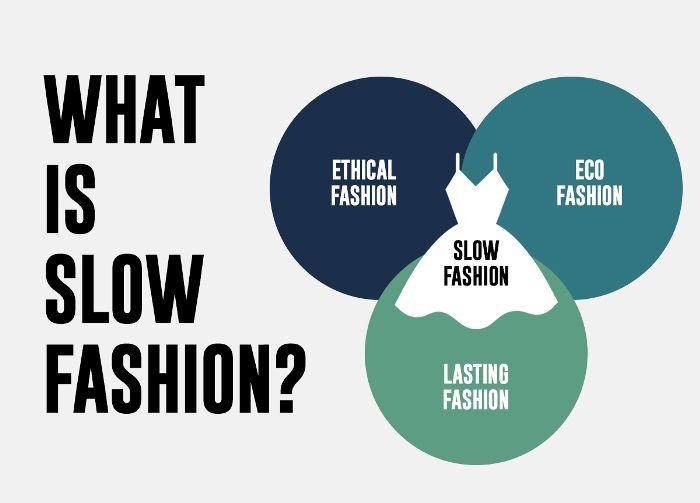
In the early 2000s, concerns about environmental impact and labour conditions gave rise to the Slow Fashion movement. Kate Fletcher (2014) emphasised that sustainability cannot be achieved solely through better materials or ethical production; it requires a rethinking of consumption patterns and of our relationship with clothing.

Slow fashion encourages care, repair, and personal engagement with garments. It shifts attention from the act of purchasing to the experience of wearing, maintaining, and valuing clothing over time.

Parallel to this movement, a renewed interest in craftsmanship — often described as a Craft Revival — has emerged. Traditional techniques such as weaving, embroidery, and natural dyeing are being re-explored within contemporary contexts. This revival is driven not only by nostalgia, but by a search for tactile, material authenticity in an increasingly digital world.

Sustainability plays a central role in this return to craft. Designers and artists often prioritise biodegradable materials, low-impact processes, and visible handwork. Rather than treating craftsmanship as decorative excess, it becomes a means of restoring value and extending lifespan.

Longevity, in this context, is both technical and cultural: it depends on how garments are made and on how they are perceived.

<img src="/assets/training-modules/media/design-for-longevity/en/training-module/media/image5.jpg" style="width:5.33854in;height:3.82902in" />

**Image 2:** Diagram illustrating the relationship between ethical fashion, eco fashion, and lasting fashion within the concept of slow fashion, retrieved from <https://sociologicamente.it/slow-fashion-la-filosofia-consapevole-del-consumo/letter-from-the-editor-july-2018-261735-1530461132557-image_700x0c/>
# 3. Fundamental design principles for longevity

Designing for longevity requires deliberate choices at every stage of development. A garment’s lifespan is shaped not only by its materials, but also by its aesthetic logic, construction quality, repairability, and emotional resonance.

## 3.1 Timeless design and aesthetics

Timeless fashion refers to garments that retain relevance beyond short-lived trends. Rather than responding to rapid seasonal cycles, timeless design emphasises proportion, balance, and material quality.

Such garments are typically characterised by:

-   Clean, essential lines

-   Neutral or versatile colour palettes

-   Refined tailoring

-   Adaptability across contexts and seasons

Examples include tailored blazers, classic trench coats, white shirts, denim jackets, and neutral knitwear. These pieces often form the basis of a capsule wardrobe because they can be styled in multiple ways and remain appropriate over time.

Timelessness does not mean resisting change entirely. Instead, it means designing garments that are not dependent on novelty for their appeal. When aesthetic value is sustained, garments are more likely to remain in use.

## 3.2 Material Selection

Material choice plays a decisive role in durability. However, durability depends not only on fibre type, but also on spinning, weaving, finishing, and care.

Natural fibres are often associated with longevity when properly constructed:

-   **Organic cotton** avoids synthetic pesticides and fertilisers. When rain-fed, its water footprint can be significantly lower than conventional cotton. Its durability depends on fibre length and weave structure.

-   **Hemp** requires minimal water, grows without pesticides, and contributes positively to soil health. Hemp textiles are known for strength, natural UV resistance, and antibacterial properties. Over time, the fabric softens without losing structure.

-   **Linen** thrives in poor soils, requires relatively little irrigation, and allows full use of the plant. Modern finishing techniques have improved its crease resistance while preserving breathability and moisture regulation.

-   **Wool** offers elasticity and resilience, allowing garments to retain shape and resist creasing.

Material longevity is therefore both ecological and technical. Designers must consider fibre performance, fabric construction, and long-term behaviour under repeated wear.

## 3.3 Quality of Construction

The design and construction of the garment are key to extending its durability.

Reinforcing areas subject to greater wear, such as elbows, knees or shoulders, with reinforced seams or additional layers, significantly extends the life of the garment (Fletcher, 2014). The inclusion of adjustable elements such as drawstrings, buttons or elastic inserts allows the garment to adapt to changes in the body over time, further extending its useful life.

Designs that physically extend the life of the garment.

|                            |                                                                       |                                                                                        |
|----------------------------|-----------------------------------------------------------------------|----------------------------------------------------------------------------------------|
| **Design by construction** | **Functionality**                                                     | **Application in fashion**                                                             |
| Reinforced seams           | Reduction of the risk of tears and deformation due to wear or washing | Used in garments intended for intensive use (jeans, jackets, outdoor clothing)         |
| Resistant fastenings       | Reduced risk of breakage or corrosion of mechanical elements          | Choice of durable materials Essential for high-quality technical and tailored garments |

Design for garments that are easy to clean, repair and maintain.

|                                                 |                                                                        |                                                                                                       |
|-------------------------------------------------|------------------------------------------------------------------------|-------------------------------------------------------------------------------------------------------|
| **Design for repair**                           | **Functionality**                                                      | **Application in fashion**                                                                            |
| **Removable linings**                           | Allow for cleaning and replacement                                     | Used in modular coats, jackets and blazers. They allow the garment to be adapted to different seasons |
| **Modular fastenings**                          | Allow separate garment modules to be replaced                          | Used in modular garment designs                                                                       |
| **Accessible seams**                            | Facilitate maintenance                                                 | Included in garments designed to be repaired over time                                                |
| **Replaceable parts (collars, cuffs, sleeves)** | Allow for the replacement of elements subject to greater wear and tear | Promote modularity and reduce textile waste                                                           |

## 3.4 Design for Care and After-Sales Support

Longevity extends beyond the design studio. Care practices significantly affect garment life.

Clear, informative labels should guide users in washing, drying, ironing, and storage. Proper maintenance reduces fibre degradation and structural damage.

After-sales care strengthens this process. Services may include:

-   Repair workshops

-   Tailoring adjustments

-   Refurbishment programmes

-   DIY repair kits

For example, some brands offer lifetime repair services, reinforcing the idea that garments are meant to be maintained rather than replaced. Such initiatives shift the relationship between brand and customer from transaction to long-term partnership.

Design for care therefore integrates technical durability with service infrastructure.

## 3.5 Emotional Durability

Physical resistance alone does not guarantee extended use. Many garments are discarded while still structurally intact because they no longer feel meaningful.

Emotional durability refers to the capacity of a garment to maintain personal relevance (Chapman, 2005). This may derive from:

-   Fit and comfort

-   Craftsmanship and visible skill

-   Cultural symbolism

-   Personal memory

-   Unique ageing characteristics

When a garment acquires narrative value, users are more inclined to repair and preserve it.

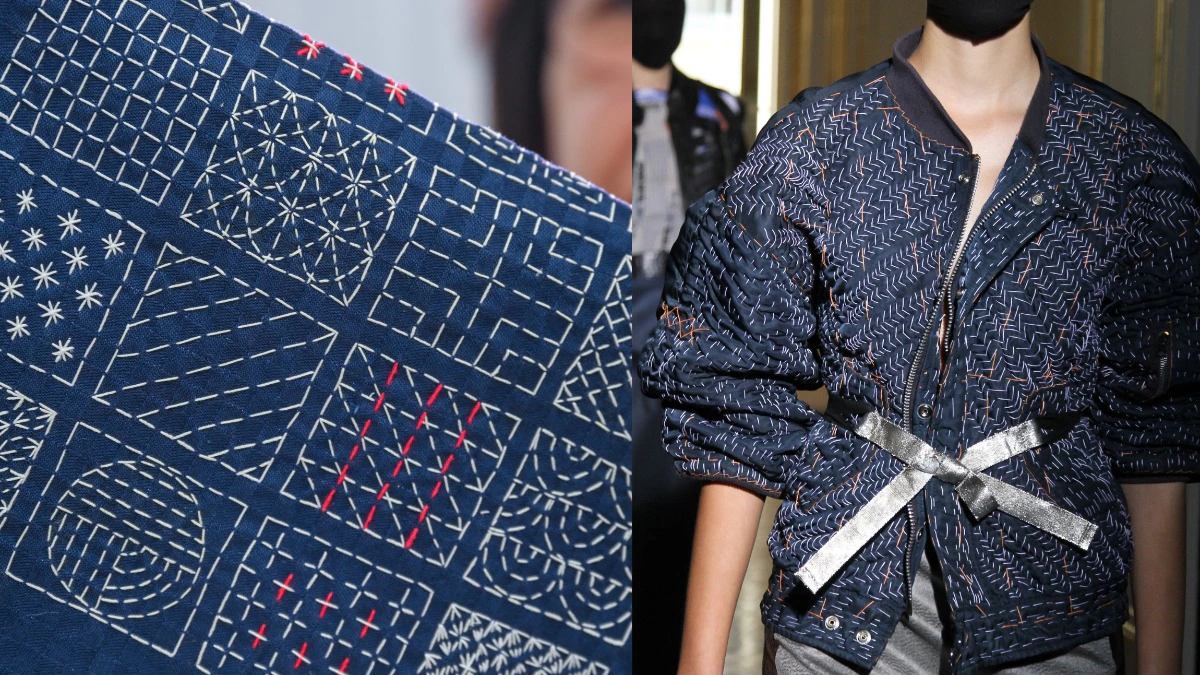
Traditional repair techniques such as sashiko illustrate how maintenance can enhance rather than diminish aesthetic value. Visible mending reframes wear as history rather than defect.

Emotional durability therefore reinforces physical longevity. The stronger the bond between wearer and garment, the longer it remains in use.

<img src="/assets/training-modules/media/design-for-longevity/en/training-module/media/image6.png" style="width:4.84444in;height:2.87083in" />

**Image 3:** Example of traditional sashiko stitching and its contemporary application in sustainable fashion design, retrieved from <https://www.harpersbazaar.in/fashion/story/could-the-japanese-art-of-sashiko-sew-meaning-back-into-sustainable-fashion-1264943-2025-08-24>
# 4. Design methodologies and frameworks

Design for longevity does not operate in isolation. It is supported by broader design frameworks that encourage systemic thinking, lifecycle awareness, and material responsibility. These frameworks help designers situate individual garments within larger economic and environmental systems.

## 4.1 Circular Design Principles

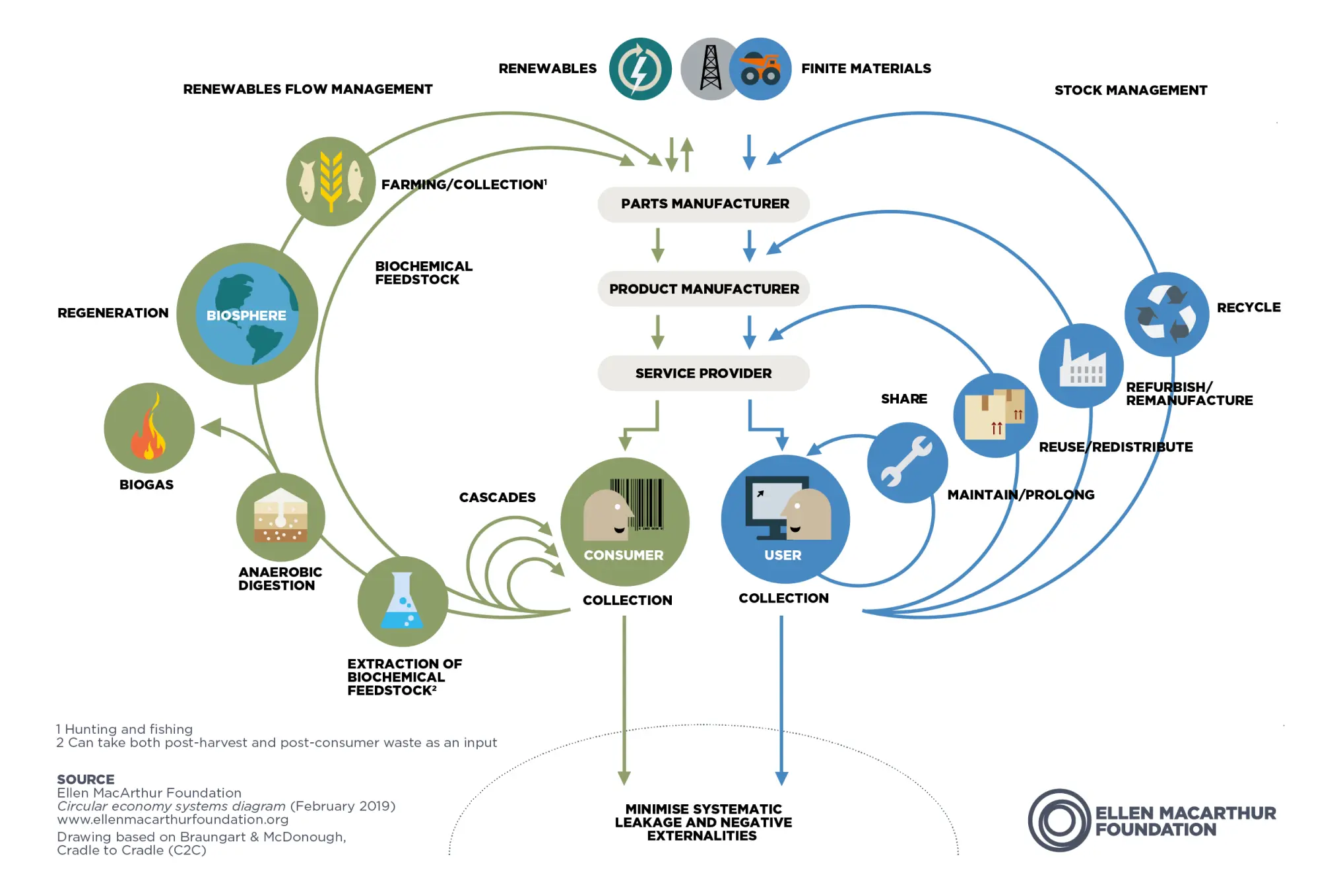
The Circular Design Guide developed by the Ellen MacArthur Foundation (n.d.) proposes a shift from the traditional linear model — extract, produce, consume, dispose — toward a regenerative system in which materials circulate at their highest possible value.

While circularity often emphasises recycling, longevity plays a foundational role. The longer a product remains in use, the less pressure is placed on resource extraction and material recovery systems.

Key circular principles relevant to longevity include:

-   **Design without waste**: products should be conceived to minimise waste during production and facilitate repair or reuse.

-   **Modularity and adaptability**: garments should evolve over time rather than become obsolete.

-   **Material recovery**: materials should be capable of re-entering technical or biological cycles when the garment can no longer be used.

-   **Systemic thinking**: products must be understood as part of interconnected supply chains, user behaviours, and end-of-life infrastructures.

-   **Renewable energy use**: production processes should reduce reliance on fossil fuels.

Within this hierarchy, extending use is often more impactful than recycling. Longevity therefore strengthens circular systems by delaying material throughput.

<img src="/assets/training-modules/media/design-for-longevity/en/training-module/media/image7.png" style="width:6.26772in;height:4.19444in" />

**Image 4:** Circular economy diagram illustrating biological and technical material cycles and value retention strategies, retrieved from <https://www.ellenmacarthurfoundation.org/circulate-products-and-materials>
## 4.2 Life Cycle Thinking (LCT) and Life Cycle Assessment (LCA)

Life Cycle Thinking (LCT) encourages designers to consider all stages of a garment’s existence — from raw material extraction to production, distribution, use, and end-of-life (Kaynak et al., 2025). Each stage generates environmental impact, including greenhouse gas emissions, water consumption, chemical pollution, and resource depletion.

Life Cycle Assessment (LCA) provides a structured method for measuring these impacts (Kaynak et al., 2025). By analysing environmental burdens across the entire lifecycle, designers can identify critical intervention points.

In the context of longevity, LCA reinforces a key insight: extending a garment’s active use phase significantly reduces its annual environmental impact. If a garment is worn twice as long, its production footprint is effectively distributed across a longer period of service. LCA therefore supports durability and care strategies as practical pathways toward impact reduction.

## 4.3 Cradle to Cradle

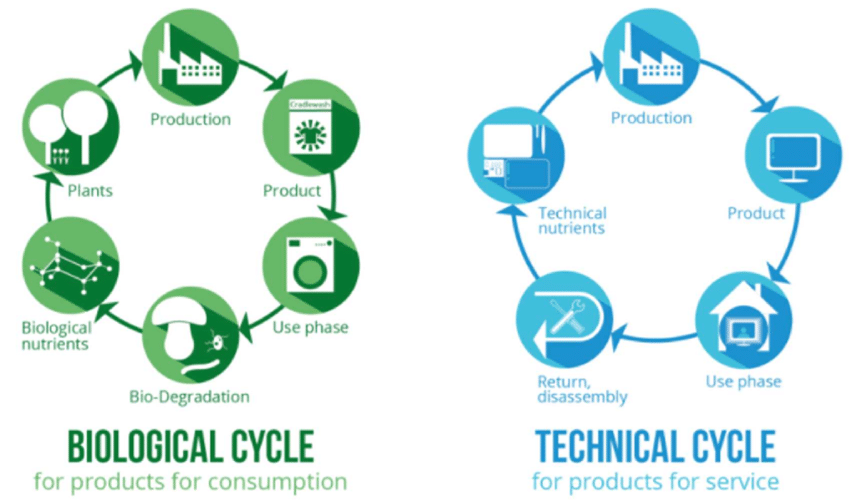
Cradle to Cradle, developed by William McDonough and Michael Braungart (2002), proposes replacing the “cradle to grave” model with a circular system in which materials function as nutrients within biological or technical cycles.

In this model:

-   Biological materials safely return to nature.

-   Technical materials circulate within industrial systems without degrading in quality.

Although Cradle to Cradle emphasises material recovery, it does not diminish the importance of longevity. A garment that remains in use for decades delays entry into recovery systems, reducing resource demand.

The Cradle to Cradle Certified™ framework evaluates products across five categories:

-   Material health

-   Material reuse

-   Renewable energy and climate impact

-   Water stewardship

-   Social equity

For designers, this framework encourages safe material selection and anticipates future reuse, but longevity remains the first strategy before cycling begins.

<img src="/assets/training-modules/media/design-for-longevity/en/training-module/media/image8.png" style="width:5.56989in;height:3.27778in" />

**Image 5:** Diagram distinguishing biological and technical cycles in the Cradle to Cradle design framework, retrieved from <https://www.researchgate.net/figure/Distinction-between-biological-and-technical-cycles-in-the-Cradle-to-Cradle-design_fig2_322555840>
## 4.4 Dieter Rams: “Good Design Is Long-Lasting”

Industrial designer Dieter Rams (n.d.) articulated ten principles of good design, one of which states that good design is long-lasting. According to Rams, durable design avoids being fashionable or decorative for its own sake. Instead, it prioritises clarity, usefulness, and restraint. According to Rams, good design must be:

1.  Good design is innovative

2.  Good design makes a product useful

3.  Good design is aesthetic

4.  Good design makes a product understandable

5.  Good design is discreet

6.  Good design is honest

7.  Good design is durable

8.  Good design pays attention to detail

9.  Good design is environmentally friendly

10. Good design is as little design as possible

Rams’ philosophy reinforces the connection between functional clarity and longevity. A well-designed product does not rely on novelty for relevance. In fashion, this translates into garments that maintain appeal through proportion, quality, and thoughtful detail rather than through trend-driven excess.

# 5. Craftsmanship, Supply Chain and Business Strategy

Longevity is not determined by design decisions alone. It is shaped by craftsmanship, supplier relationships, and the economic models that support or undermine extended use. A durable garment depends on a network of actors who share responsibility for quality and long-term value.

## 5.1 Craftsmanship and Industrial Quality

Longevity begins with technical competence. High-quality materials alone do not guarantee durability if construction is weak or imprecise. Craftsmanship preserves knowledge accumulated across generations and translates it into structural resilience.

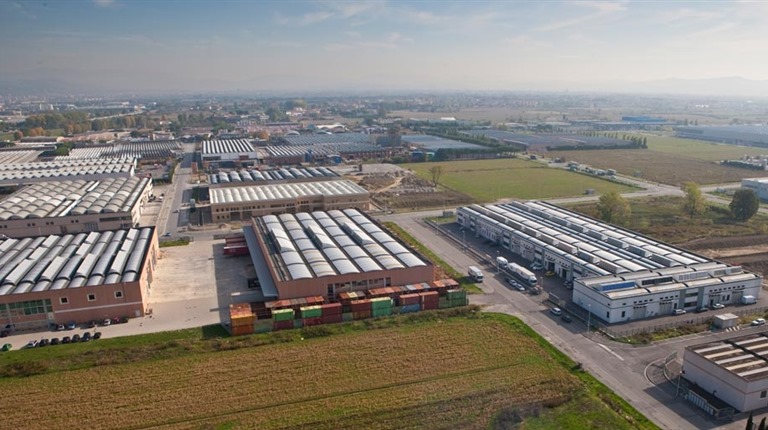
The Italian production model offers a relevant example of this integration between tradition and innovation. In regions such as the textile district of Prato — one of Europe’s most important textile hubs — specialised companies operate within interconnected networks. Thousands of firms contribute to yarn production, fabric development, finishing, and garment construction (Città di Prato, n.d.). This concentration of expertise allows for continuous refinement of materials and techniques.

In such contexts, craftsmanship is not a nostalgic reference to the past; it is a strategic asset. Precision in weaving, dyeing, finishing, and tailoring enhances durability and consistency. When industry and craft operate together, they strengthen the link between territory, material knowledge, and long-term product quality.

Longevity therefore relies on both technical excellence and continuity of skills.

<img src="/assets/training-modules/media/design-for-longevity/en/training-module/media/image9.jpg" style="width:4.06667in;height:2.5in" />

**Image 6:** Aerial view of the Prato textile district, retrieved from <https://www.cittadiprato.it/IT/Sezioni/436/DISTRETTO-TESSILE/>

## 5.2 Relationships with Suppliers and Material Sourcing

In sustainable fashion, supplier relationships are as critical as design concepts. Longevity depends on the reliability and integrity of materials, which in turn depend on transparent supply chains.

Building long-term partnerships with suppliers fosters:

-   Consistent material quality

-   Shared sustainability standards

-   Traceability of fibres and processes

-   Stability in production methods

Traceability strengthens brand credibility and reinforces perceived value. When designers understand the origin of fibres and production conditions, they can make informed decisions that support durability and environmental responsibility.

Local sourcing can further contribute to longevity strategies. Shorter supply chains reduce transportation impact and facilitate closer quality control. Proximity may also enable repair networks and post-purchase services that extend garment life.

In this sense, the supply chain becomes part of a circular value system rather than a linear production pipeline.

## 5.3 Narrative and Emotional Longevity in Business Practice

Although emotional durability has already been discussed at the design level, it also has a strategic dimension within business models.

Garments are often discarded not because they fail structurally, but because their perceived value declines. Communication, storytelling, and customer engagement influence whether a product is maintained or replaced.

Brands can support emotional longevity through:

-   Transparent storytelling about origin and craftsmanship

-   Emphasis on repair and maintenance culture

-   Honest communication about durability

-   Community-building initiatives

Customer relationship management (CRM) strategies can extend the brand–consumer relationship beyond the point of sale (Salesforce, n.d.). Personalised communication, loyalty programmes, and service-oriented engagement reinforce long-term attachment.

An example is the Barbour Re-Loved initiative, which invites customers to return used jackets. These garments are repaired, refurbished, and reintroduced into circulation. This approach combines emotional continuity with material regeneration, allowing garments to retain value across multiple lifecycles.

Such initiatives demonstrate that longevity can be embedded in both product design and commercial strategy.

## 5.4 Business Models for Longevity

Longevity challenges conventional revenue models based on rapid turnover (Ellen MacArthur Foundation, 2017). Instead of encouraging frequent replacement, businesses can generate value through extended service. Models aligned with longevity include :

-   Repair services and warranties

-   Refurbishment and resale platforms

-   Rental systems

-   Product take-back schemes

-   Lifetime guarantees

For example, Patagonia’s repair and warranty policies reinforce consumer trust while encouraging responsible use. By offering repair, replacement, or refund options when products fail, the brand positions durability as a core commitment rather than a marketing claim.

Design decisions must anticipate these business strategies. A garment cannot be refurbished or repaired efficiently if its construction does not allow for intervention. Longevity therefore requires coordination between design, manufacturing, and commercial planning.

When commercial logic aligns with durability, fashion shifts from a volume-driven model to a value-driven one.

# 6. Longevity and the Circular Economy (Digital and systemic enablers)

Longevity represents the first and most effective strategy within a circular fashion system. Every time a garment remains in use for longer, the need to produce new garments decreases. This reduces pressure on raw materials, manufacturing processes, and energy consumption.

While circular economy discourse often focuses on recycling, durability and extended use preserve far more value. Recycling intervenes only once a garment can no longer fulfil its function. Longevity delays this moment, maintaining both material and use value within the system.

In this sense, longevity does not compete with recycling or modularity; it strengthens them. A garment designed for long-term use can still later enter repair, resale, refurbishment, or recycling systems. The circular model therefore operates sequentially: use first, recovery later.

## 6.1 Digital and Systemic Enablers

Digital technologies increasingly support longevity by improving transparency, traceability, and accountability across the supply chain.

Blockchain technology allows information about sourcing, manufacturing, and distribution to be recorded in secure digital ledgers (IBM, n.d.). This enhances trust and helps verify sustainability claims. For consumers, transparency reinforces confidence in product quality and ethical standards — both of which contribute to perceived long-term value.

Blockchain can also combat counterfeiting by associating each garment with a verifiable digital history. Authenticity strengthens emotional and economic value, encouraging preservation rather than disposal.

Closely linked to this development is the Digital Product Passport (DPP) — a system that stores essential lifecycle information in a digital format accessible through QR codes, barcodes, or NFC tags (Slimstock, n.d.).

A Digital Product Passport may include:

-   Product identity and origin

-   Material composition

-   Environmental footprint

-   Repair and maintenance guidance

-   Expected lifespan

-   End-of-life options

-   Certifications and regulatory compliance

By centralising this information, DPPs support informed decision-making at multiple levels: manufacturers can trace supply chains more accurately; retailers can manage inventory responsibly; consumers can access repair instructions and care recommendations.

In the case of defects or recalls, digital traceability allows rapid identification of production stages or material batches. This strengthens quality control and accountability.

Importantly, digital systems do not replace design strategies for longevity — they reinforce them. Transparency makes durability claims verifiable. Access to repair information encourages maintenance. Traceable material composition facilitates eventual recycling when necessary. Longevity therefore operates within a broader systemic framework where design, technology, and infrastructure align to extend value over time.

# 7. Future Directions

Longevity in fashion represents more than extended durability; it reflects a shift in cultural and economic values. It challenges the assumption that novelty defines relevance and instead positions continuity, care, and quality as central design principles. Designing for longevity requires integration across multiple dimensions:

-   Material integrity

-   Construction quality

-   Adaptability and repairability

-   Emotional attachment

-   Transparent supply chains

-   Business models aligned with extended use

Craftsmanship preserves technical knowledge and ensures structural resilience. Digital tools such as blockchain and Digital Product Passports enhance transparency and accountability. Service-based business models encourage repair, resale, and refurbishment. Together, these elements form an ecosystem that supports garments over time.

Emerging technologies may further reinforce longevity strategies. For example, 3D printing offers opportunities for on-demand production and customisation. By reducing overproduction and enabling precise manufacturing, additive technologies may help minimise surplus inventory. Custom-fit production can also improve garment satisfaction, increasing the likelihood of long-term use.

However, technology alone cannot guarantee longevity. Without thoughtful design and cultural change, innovations risk accelerating consumption rather than reducing it. The key lies in aligning technological efficiency with durable design principles.

Longevity ultimately redefines value. It invites designers to consider garments not as temporary commodities, but as objects capable of accumulating meaning through use. By integrating tradition and innovation, craftsmanship and digital tools, fashion can move toward a model where garments are designed not merely to be sold — but to endure.

# Key Takeaways

-   Longevity is one of the most effective sustainability strategies in fashion.

-   Durability includes physical resistance, adaptability, and emotional value.

-   Timeless aesthetics reduce trend-driven disposal.

-   High-quality construction enables repair and maintenance.

-   Emotional attachment significantly influences garment retention.

-   Craftsmanship and skilled production support structural resilience.

-   Transparent supply chains strengthen long-term value.

-   Business models (repair, resale, warranties) must align with durability.

-   Digital tools (e.g. DPP, blockchain) reinforce traceability and accountability.

-   Longevity works within circular systems by delaying material throughput.

# Final Summary

Design for longevity reframes fashion from a system of rapid turnover to one of sustained value. By combining durable materials, technical precision, adaptable construction, emotional resonance, and supportive business infrastructures, designers can significantly reduce environmental impact while strengthening cultural meaning. Longevity is not a limitation on creativity; it is a design ethic that positions time as a core dimension of sustainability.  

# References

Art Info Land Magazine. (n.d.). *Craft revival: Textiles and heritage make a comeback*. <https://magazine.artinfoland.com/craft-revival-textiles-and-heritage-make-a-comeback/>

Barbour. (n.d.). *Re-loved*. <https://www.barbour.com/it/re-loved>

Blum, P. (2021). *Circular fashion: Making the fashion industry sustainable*. Laurence King Publishing.

Centric Software. (n.d.). *Sustainable textile materials*. <https://www.centricsoftware.com/blog/sustainable-textile-materials/>

Città di Prato. (n.d.). *Textile district*. <https://www.cittadiprato.it/EN/Sezioni/437/TEXTILE-DISTRICT/>

Chapman, J. (2005). *Emotionally durable design: Objects, experiences and empathy*. Earthscan.

Dylon. (n.d.). *Slow fashion stories: The faces of slow fashion – Kate Fletcher*. <https://www.dylon.co.uk/detergents/blog/rethink-new-blog/slow-fashion-stories/the-faces-of-slow-fashion-kate-fletcher.html>

Ellen MacArthur Foundation. (2019). *Circular economy systems diagram (Butterfly diagram)*. <https://ellenmacarthurfoundation.org/circular-economy-diagram>

Fletcher, K. (2014). *Sustainable fashion and textiles: Design journeys* (2nd ed.). Earthscan.

Ellen MacArthur Foundation. (2017). *A new textiles economy: Redesigning fashion’s future*. <https://ellenmacarthurfoundation.org/a-new-textiles-economy>

Ellen MacArthur Foundation. (n.d.). *The circular design guide*. [https://www.circulardesignguide.com](https://www.circulardesignguide.com/)

Halte à l’Obsolescence Programmée (HOP). (2025). *Made to overconsume: Survey on marketing obsolescence and the influence of commercial strategies*. <https://www.halteobsolescence.org/wp-content/uploads/2025/07/Made-to-overconsume-HOP-report.pdf>

IBM. (n.d.). *What is blockchain?* <https://www.ibm.com/it-it/think/topics/blockchain>

Kaynak, E., Piri, I. S., & Das, O. (2025). Revisiting the basics of life cycle assessment and lifecycle thinking. *Sustainability*, *17*(16), 7444.

McDonough, W., & Braungart, M. (2002). *Cradle to cradle: Remaking the way we make things*. North Point Press.

MDPI. (n.d.). *Sustainability, 15*(5), 4451. <https://www.mdpi.com/2071-1050/15/5/4451>

Niinimäki, K. (2018). *Sustainable fashion in a circular economy*. Aalto ARTS Books.

Observatorio Amianto. (n.d.). *Economia circolare*. <https://www.osservatorioamianto.it/economia-circolare/>

Petit Pli. (n.d.). *Home*. <https://shop.petitpli.com/>

Petit Pli. (n.d.). *A sustainable childrenswear revolution*. <https://shop.petitpli.com/pages/a-sustainable-childrenswear-revolution-2>

Rams, D. (n.d.). *Ten principles for good design*. Vitsoe. <https://www.vitsoe.com/gb/about/good-design>

Redress Design Award. (n.d.). *Design for longevity*. <https://www.redressdesignaward.com/academy/resources/guide/design-for-longevity>

Read the F Manual. (n.d.). *Dieter Rams e i 10 principi del buon design*. <https://readthefmanual.it/dieter-rams-e-i-10-principi-de-buon-design/>

Rinaldi, F. (2019). *Fashion industry 2030: Reshaping the future through sustainability and responsible innovation*. Bocconi University Press.

Salesforce. (n.d.). *What is CRM?* [https://www.salesforce.com/eu/crm/what-is-crm](https://www.salesforce.com/eu/crm/what-is-crm/)

Slimstock. (n.d.). *Cos’è il passaporto digitale dei prodotti*. <https://www.slimstock.com/it/blog/cose-il-passaporto-digitale-dei-prodotti/>

State of Matter Apparel. (n.d.). *Timeless fashion: An alternative to fast fashion*. <https://stateofmatterapparel.com/blogs/som-blog/timeless-fashion-an-alternative-to-fast-fashion>

Sustainability Directory. (n.d.). *Textile durability*. <https://lifestyle.sustainability-directory.com/term/textile-durability/>

Sustainability Directory. (n.d.). *How can history reduce fashion waste?* <https://fashion.sustainability-directory.com/question/how-can-history-reduce-fashion-waste/>

The Pennsylvania State University, Environmental Innovations Initiative. (n.d.). *Fast fashion*. <https://environment.upenn.edu/news-events/news/fast-fashion>

The Sign Speaking. (n.d.). *Petit Pli clothes that grow with children*. <https://www.thesignspeaking.com/it/petit-pli-clothes-that-grow-with-children/>

TRVST World. (n.d.). *History of sustainable fashion*. <https://www.trvst.world/sustainable-living/fashion/history-of-sustainable-fashion/>

---

## Toolkit

# Introduction to the Toolkit: translating theory into practice

**Purpose**

The following toolkit was created with the aim of translating the principles of longevity into concrete design tools for fashion design.

It is a tool that helps designers and students apply the theories of durability in the creation of clothing, through the physical resistance of materials, adaptability and emotional engagement, helping to promote fashion that lasts over time.

**Learning outcomes**

By the end of this toolkit, students will be able to:

1.  Verify the durability, adaptability and emotional value of garments.

2.  Apply design strategies that extend the duration of use.

3.  Integrate care, repair and storytelling into design practice.

4.  Prototype and evaluate garments designed for a long life cycle.

**Brief summary of key concepts**

-   **Material durability:** garments that maintain their integrity and functionality over time thanks to quality fabrics, stitching and components.

-   **Emotional value:** an emotional bond between the user and the garment that encourages care, repair and preservation over time.

-   **Adaptive design:** designing versatile garments that adapt to different contexts, body types or seasons.

-   **Timeless aesthetics:** choice of shapes, colours and details not linked to passing fads, to ensure a lasting perception of modernity.

# Phase 1: Designing for longevity in practice

## Understanding longevity in the design process

**Analyse your design system**

-   Are my garments designed to last and integrate into a modular wardrobe, or are they designed for limited use?

-   Are the components of the garment designed to be easily replaced, repaired or updated over time?

-   Is it possible to create consistency or compatibility between different garments (patterns, fastenings, modules) to facilitate mix-and-matching and repair?

**Objective**: to assess the ability of a garment to last in physical, functional and emotional terms.

**Tip**: Use this tool in the early stages of design to assess design weaknesses that reduce durability and prioritise improvements before prototyping.

|                                     |                                                       |                 |
|-------------------------------------|-------------------------------------------------------|-----------------|
| **Category**                        | **Evaluation criteria**                               | **Score (1–5)** |
| Material integrity                  | Fibre strength, wear resistance, colour fastness      |                 |
| Quality of construction             | Stitch density, seam reinforcement, replaceable parts |                 |
| Adaptability                        | Range of fit, adjustable elements, modular parts      |                 |
| Care and maintenance                | Easy to clean, easy to repair                         |                 |
| Aesthetic longevity                 | Timeless silhouette, neutral or enduring aesthetics   |                 |
| Emotional value                     | Storytelling, user identification                     |                 |
| After-sales service and circularity | Repair services, recyclability                        |                 |

**Checklist: "Is my design durable?"**

-   Quality materials, durable fibres

    Stitching or reinforcements in parts subject to greater stress

    Easy-to-use finishes or fastenings

    Simple silhouettes, independent of trends

    Easy to repair or recycle

# Phase 2: Features and design elements for longevity

The longevity of a garment stems from a combination of conscious design choices: durable and repairable materials, solid construction, replaceable fastenings and easy-to-maintain designs. At the same time, elements such as timeless aesthetics, personalisation and the possibility of transformation support the emotional attachment and desire to keep the garment over time.

**Objective**: to design garments that will last over time, both materially and emotionally.

**Tip:** during the design phase, ask yourself, *'Will this garment be repairable, modifiable or loved in five years' time?'*. If the answer is yes, you are already designing for longevity.

|                                                     |                                                          |                                                                                                                            |
|-----------------------------------------------------|----------------------------------------------------------|----------------------------------------------------------------------------------------------------------------------------|
| **Design features**                                 | **Functionality**                                        | **Applications**                                                                                                           |
| Adjustable belt or pleats                           | Grows with the wearer; flexible fit                      | Reduces the need to replace the garment; suitable for different stages of life; encourages personalisation.                |
| Detachable elements (sleeves, collars, hoods, etc.) | Variations in functionality and style                    | Transform a single garment into multiple seasonal or stylistic variations (e.g. 2-in-1 jacket); extend use over time.      |
| Multi-purpose garment                               | Can be worn in all seasons, in multiple ways or contexts | Increases versatility (e.g. dress that becomes a skirt, reversible jacket); reduces the overall number of garments needed. |
| Replaceable finishes                                | Buttons or zips that are easy to replace or update.      | Facilitates repair and aesthetic updating; keeps the garment looking 'new' and current.                                    |
| Neutral silhouette                                  | Essential lines without excessive trendy connotations.   | Makes the garment timeless and easy to match; prolongs its relevance in the wardrobe.                                      |

<table><tbody><tr class="odd"><td><strong>Design elements</strong></td><td><strong>Best practices</strong></td><td><strong>Applications</strong></td></tr><tr class="even"><td>Fabric selection</td><td>Durable, easy-to-clean and non-delicate finishes</td><td>Choose durable natural fibres (organic cotton, linen, wool, hemp) or high-quality blends.</td></tr><tr class="odd"><td>Construction</td><td>Reinforced stress areas, modular linings</td><td>Reinforced seams and careful internal finishes. Use of wider seam allowances to facilitate future alterations. Outerwear with replaceable linings.</td></tr><tr class="even"><td>Care labels</td><td>Clear and sustainable instructions</td><td>Digital labels (QR codes) with care and repair tutorials.</td></tr><tr class="odd"><td>Closure systems</td><td>Use sturdy, replaceable components</td><td><p>Prefer replaceable or adjustable closures (buttons, standard zips, hooks).</p><p>Avoid decorative fastenings that cannot be repaired.</p></td></tr><tr class="even"><td>Design for repair</td><td>Accessible seams, standardised components</td><td>Easy access to areas subject to wear and tear. Use visible or decorative seams to facilitate aesthetic repairs. Provide spare parts or repair kits.</td></tr></tbody></table>

# Phase 3: Material considerations

**Choice of materials**

The selection of materials is one of the most influential decisions in designing for longevity. A durable material must guarantee resistance, comfort and repairability over time, without losing quality or aesthetic value. It is also important to consider the ease of maintenance and the overall environmental impact of the material.

**Objective:** select materials that maintain aesthetic and functional quality over time.

**Tip:** evaluate not only their physical resistance, but also the user experience over time: how they age, how they are washed and how they are regenerated.

|                                  |                                                                                            |                                                    |
|----------------------------------|--------------------------------------------------------------------------------------------|----------------------------------------------------|
| Type of material                 | Functionality                                                                              | Examples of use                                    |
| Organic cotton                   | Natural, breathable, wash-resistant and easy to repair.                                    | Jeans, shirts, T-shirts, casual wear and workwear. |
| Merino wool                      | Thermoregulating, odour-resistant and self-regenerating.                                   | Sweaters, coats, technical and outdoor garments.   |
| Linen                            | High tensile strength, softens with use, biodegradable.                                    | Summer shirts, lightweight trousers.               |
| Hemp                             | Extremely robust, antibacterial, requires little water and pesticides.                     | Casual and sportswear.                             |
| Denim (sturdy cotton)            | Dense and durable structure, improves aesthetically with wear.                             | Jeans, jackets, skirts, bags.                      |
| Vegetable-tanned natural leather | Highly resistant, repairable, develops a patina over time, increasing its aesthetic value. | Jackets, footwear, bags, belts.                    |
| High-quality recycled polyester  | Long-lasting, quick-drying, suitable for technical garments.                               | Technical jackets, down jackets, outdoor garments. |

**Testing durability**

Assess how a garment will withstand use, weather and washing, ensuring that it retains its functionality and appearance over time. Understanding the resistance of materials and constructions helps to design clothing that truly lasts.

**Objective:** identify the garment's weak points and improve structural quality by testing fabrics, seams, fastenings and finishes.

**Tip:** incorporate small practical tests early on in the prototyping stage, such as repeated washing or manual abrasion tests, to anticipate problems and optimise material and construction choices.

|                              |                                                                                         |             |
|------------------------------|-----------------------------------------------------------------------------------------|-------------|
| **Type of test**             | **Description**                                                                         | **Results** |
| Abrasion resistance          | Check how resistant the fabric is to wear and tear (e.g. Martindale or Wyzenbeek test). |             |
| Stress test                  | Observe the distortion of the fabric at the seams.                                      |             |
| Colour fastness              | Assess the colour's resistance to washing, light, perspiration and rubbing.             |             |
| Dimensional stability        | Check for changes in shape or size after washing or drying.                             |             |
| Seam strength                | Tests the strength of stitches and threads during pulling or use.                       |             |
| Pilling (formation of balls) | Simulates surface wear that creates lint or balls.                                      |             |

# Phase 4: Emotional longevity and narrative map

Emotional longevity stems from the emotional bond between the user and the garment. When a garment tells a personal story, it becomes more precious and is kept longer.

The narrative map helps to visualise this relationship by tracing the stages of the garment's life: brand history, origin, production, product and future.

**Objective**: to encourage designers to intentionally incorporate emotional value into garments, increasing user loyalty and care.

**Tip:** Students can use this tool to develop brand narratives or concept boards that illustrate how emotional connection supports product usage.

|                         |                                                                                                   |                                                                                                   |
|-------------------------|---------------------------------------------------------------------------------------------------|---------------------------------------------------------------------------------------------------|
| **Design strategy**     | **User interaction**                                                                              | **Applications**                                                                                  |
| Personalisation         | It involves the user in the creative process; it strengthens the emotional bond with the garment. | Personalised embroidery, repair patches                                                           |
| Narrative communication | Creates an emotional connection through brand or product stories.                                 | Sharing producers' stories, process transparency                                                  |
| Transformable identity  | Invite the user to modify or reinterpret the garment over time.                                   | Modular, reversible or multi-purpose garments; designs that can be adapted to different contexts. |
| Memories and rituals    | Stimulates emotional attachment and care through use and maintenance.                             | Repair or restyling programmes.                                                                   |
| Timeless design         | Reduces aesthetic obsolescence; encourages prolonged use.                                         | Classic silhouettes, neutral palettes, seasonless or permanent garments.                          |

# Practical activity: 'Redesign an Old Garment'

**Activity overview**

**Objective**: To stimulate the design of garments intended for multiple life cycles, through reuse, transformation and emotional value, and to encourage a sustainable approach to design.

**Time**: 60-90 minutes

**Materials**: Brainstorming sheets or cards, images of used garments or prototypes, scissors, glue, markers (for collages or mood boards)

**Step-by-step activity**

1.  Choose a 'lived-in' garment: bring a used garment (yours or found) or select one from an image.

2.  Tell its story: Who wore it? On what occasions? What determines its wear and tear or loss of value?

3.  Design at least two possible transformations:

-   Functional: how could it be modified to continue to be used (e.g. from shirt to top, from jeans to bag)?

-   Emotional: how could you add sentimental value (e.g. personal embroidery, dyeing, family memories)?

4.  Visualise your ideas: create a sketch, collage or mood board that shows the garment's new identity.

5.  Document: photograph each combination and note what works best in terms of comfort, aesthetics and functionality.

**Food for thought**

-   How can design encourage attachment, repair and reuse?

-   Does the garment adapt to different contexts? Is it versatile?

-   Is the garment easy to wash, repair or update?

-   Is the design timeless or subject to passing fads?

---

## Case Study

# 1. Introduction: Brand Overview and Relevance 

Trained at Imperial College London and the Royal College of Art, Ryan Mario Yasin combines the precision of aeronautical engineering with the creativity of design applied to innovation. In 2017, at just 23 years of age and still a student of Global Innovation Design, he founded Petite Pli with a vision as simple as it was revolutionary: to create smart, adaptable clothing designed for children.

The idea took shape from his personal experience with his nephew Viggo, to whom he had given some clothes and discovered that they could no longer be worn due to the child's rapid growth. This episode gave rise to the need to design garments that could grow with the wearer. The technical inspiration came from Yasin's work on deployable nanostructure satellites, where flexibility and spatial efficiency became design principles that could also be applied to textiles.

In addition to the innovative aspect of the product, Petite Pli also addresses one of the major critical issues in the fashion industry: the inefficiency of size and stock management. In e-commerce, around 40% of garments sold are returned due to sizing issues. By designing clothes that adapt to different body types and stages of growth, the brand helps to reduce waste, improve logistical efficiency and decrease the overall environmental impact.

## 1.1 Design Philosophy: Adaptability and Growth

Thanks to a pleated structure, the innovative material used by Petit Pli can expand up to seven times its initial size, adapting to changes in the body over the years.

The expansion system uses hidden pleats that open and close according to movement and growth, allowing garments to change shape without losing fit or comfort. This technology allows children to be accompanied from birth to nine years of age through three dedicated collections: TinyHuman (0-12 months), MiniHuman (9 months-4 years) and LittleHuman (4-9 years), reducing the need for frequent purchases and promoting a new idea of adaptive and sustainable clothing.

<img src="/assets/training-modules/media/design-for-longevity/en/case-study/media/image3.png" style="width:5.5in;height:3.11111in" />

**Image 1:** Petit Pli adaptable top and fabric closeup retrieved from <https://shop.petitpli.com/>
## 1.2 Material Innovation and Textile Technology

Founder Ryan Mario Yasin drew inspiration from his research at Imperial College London on engineering origami and deployable structures used in small CubeSat satellites, systems that require the ability to compress carbon fibre panels into extremely small spaces before being released into space.

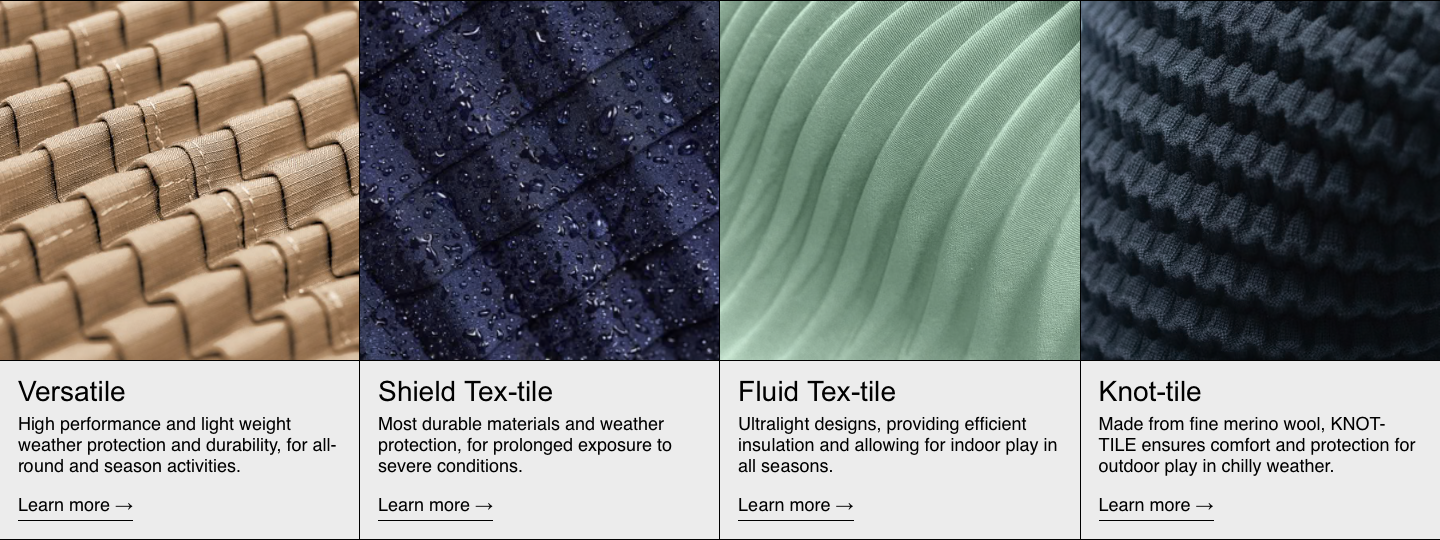
Transferring these principles to the field of fashion design, Yasin has created garments that dynamically adapt to a child's growing body, combining technological innovation with everyday functionality. The garments are made from a patented ripstop fabric that is lightweight yet durable, offering elasticity, comfort and durability. The soft surface ensures a pleasant feel against the skin, while the technical structure allows freedom of movement for playing, running or climbing.

Each garment is made from recycled polyester, designed to be breathable and long-lasting.

<img src="/assets/training-modules/media/design-for-longevity/en/case-study/media/image4.png" style="width:6.26772in;height:2.34722in" />

**Image 2:** Close-up fabric swatches and descriptions retrieved from <https://shop.petitpli.com/blogs/petit-pli-information/select-material>
<img src="/assets/training-modules/media/design-for-longevity/en/case-study/media/image5.png" style="width:5.13542in;height:3.2998in" />

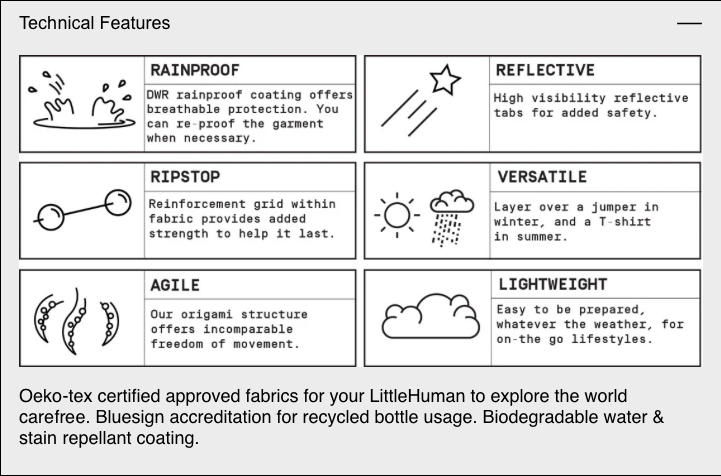
**Image 3:** Technical fabric features shown on Petite Pli product page retrieved from <https://shop.petitpli.com/products/bottoms?variant=38085531959492>

## 1.3 Durability 

Petite Pli's windproof and rainproof garments are designed to accompany children in their daily movements, adapting smoothly to their outdoor explorations. Made from durable, machine-washable and quick-drying ripstop technical fabric, these garments are designed to support the energy and freedom of play: perfect for running, climbing or crawling without restrictions.  
The trousers feature reinforced knees for added durability, while the jackets and tops have expandable pockets for practicality and flexibility.  
Functional details such as reflective tabs ensure visibility and safety even in low light conditions.

## 1.4 Production and circular approach

Thanks to their ability to adapt to up to seven different sizes, Petit Pli garments accompany children as they grow, substantially reducing waste, costs and the environmental impact associated with traditional clothing production.

The brand stands out for its careful selection of recycled fabrics and high-performance technical materials, chosen to withstand the daily demands of children.

The fundamental design principles are:

-   Design efficiency: expandable garments, the result of patented technology, optimise material consumption and reduce the need for frequent replacements, thus reducing the environmental impact both in the production phase and in the post-consumer cycle.

-   Circularity: it favours single-material and fully recyclable fabrics. Over 95% of the collections are designed to be reintroduced into the production cycle after use.

-   Durability: each garment is designed with extreme attention to strength and flexibility. Longevity is further enhanced by a free repair service.

-   Local roots: production is mainly carried out between London and Portugal, allowing high quality standards and operational agility to be maintained, while supporting local economies and reducing transport-related emissions.

## 1.5 Emotional Longevity and a Culture of Care: the Relationship Between User and Garment

Through its designs aimed at durability, Petit Pli creates an emotional connection between the garment and the wearer, thus becoming an instrument of emotional longevity, capable of generating attachment and responsibility towards what one wears.

Clothing is no longer an object to be consumed quickly, but a companion for growth, accompanying the child over time and preserving traces of their experience. This emotional relationship transforms the value of the garment, making it something to be cared for, repaired and preserved, rather than replaced. Petite Pli thus promotes a culture of care, educating families to a more conscious view of consumption, based on durability and respect for materials.

# References

[<u>https://shop.petitpli.com/</u>](https://shop.petitpli.com/)

[<u>https://www.thesignspeaking.com/it/petit-pli-clothes-that-grow-with-children/</u>](https://www.thesignspeaking.com/it/petit-pli-clothes-that-grow-with-children/)

[<u>https://shop.petitpli.com/pages/a-sustainable-childrenswear-revolution-2</u>](https://shop.petitpli.com/pages/a-sustainable-childrenswear-revolution-2)